Party Event Services BirminghamParty Event Services Birmingham
How to Coordinate Wedding Decor Suppliers Well

By

How to Coordinate Wedding Decor Suppliers Well

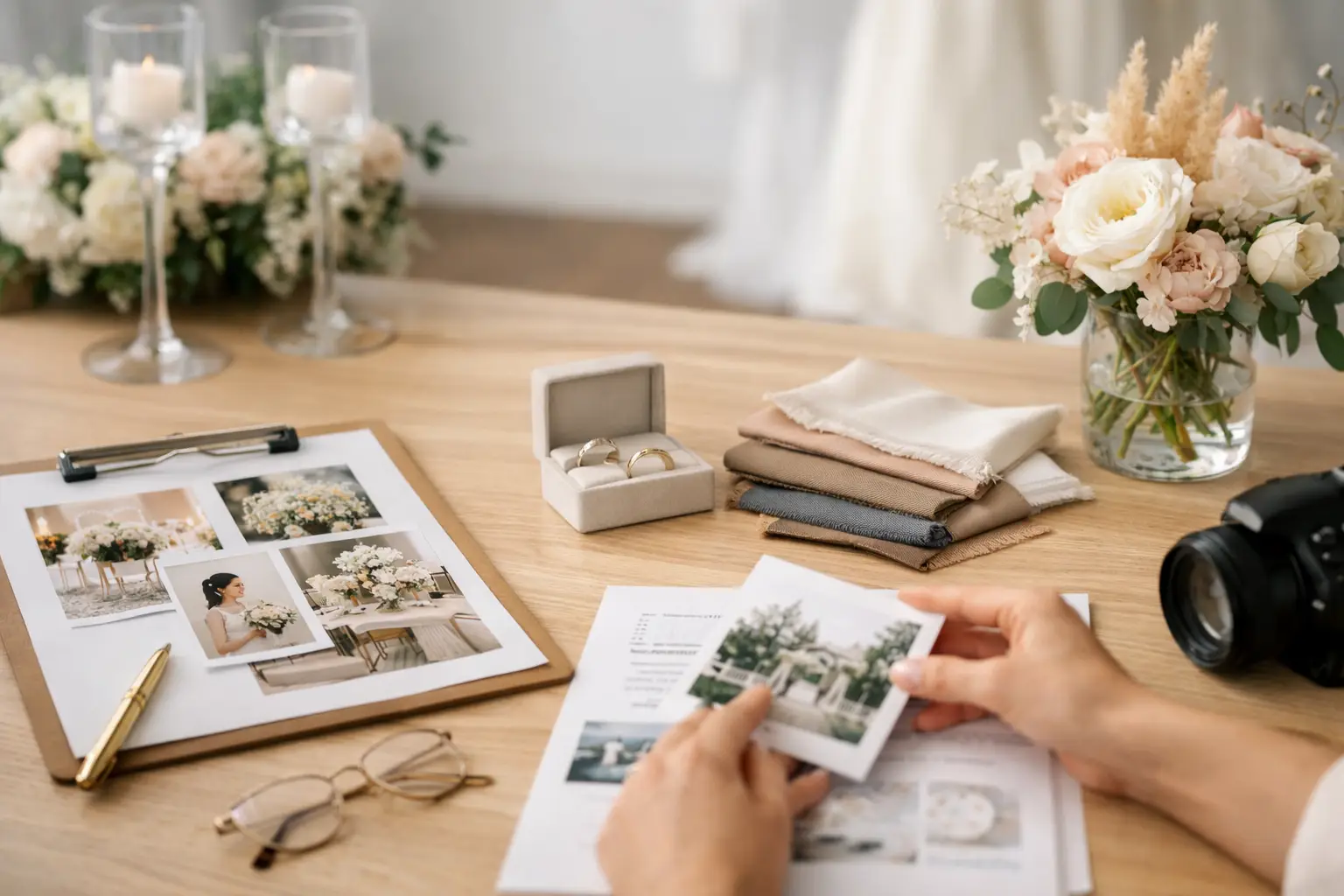
A room can look completely different at 5pm from how it looked during a venue viewing. Chair covers, flowers, love letters, table styling, uplighting, a DJ setup and a dance floor all need space, power and the right order of installation. Knowing how to coordinate wedding decor suppliers means turning those separate bookings into one polished wedding setting, without spending your final week chasing arrival times and fixing avoidable clashes.

For most couples, the challenge is not choosing attractive décor. It is making sure every supplier has the same plan, the venue can accommodate it, and nothing blocks another part of the setup. A little structure early on protects your budget, your timings and the atmosphere you want when your guests arrive.

Start With One Clear Décor Plan

Before contacting suppliers individually, decide what the room needs to achieve. Is the priority a romantic wedding breakfast, a high-energy evening party, an elegant all-white look, or a colourful statement space? Your answer affects every decision, from table centrepieces and chair covers to the position of an LED dance floor and the type of lighting used around the room.

Create a single décor brief that covers your colour scheme, key products, venue rooms and the parts of the day when each area will be used. Include photos for style reference, but also write down the practical details. A supplier needs to know whether the ceremony room must be turned around for the wedding breakfast, whether the top table is moving, and whether the cake table needs its own backdrop or lighting.

Avoid assuming that products shown separately will work together at your venue. Large illuminated letters can make a strong visual feature, but they need a safe, agreed position. Uplighting can transform plain walls, yet it may not be effective behind heavy drapes or in a room with bright daylight. Your plan should show what matters most if space or budget requires a compromise.

Build a Supplier Schedule Before the Wedding Week

The most useful document you can give to your suppliers is a straightforward running order. It does not need to be complicated. It should confirm the venue address, access point, contact names, setup window, collection time and exactly what each company is supplying.

A wedding venue may allow decorators in at 9am, caterers at 10am and entertainment from 4pm. If those timings are not shared, you can end up with a DJ waiting outside while table décor is still being installed, or a photo booth placed where the evening buffet is due to go. Ask the venue for its preferred supplier access schedule, then send the final version to everyone at least two weeks before the wedding.

Confirm who has authority on the day

Couples should not be the main point of contact during setup. You will be getting ready, meeting family and trying to enjoy the morning. Nominate one person who can make sensible decisions if required. This could be a wedding coordinator, a trusted family member or a member of the wedding party who understands your plan.

Give that person the venue contact, supplier mobile numbers and a copy of the room layout. They should know what can be changed and what cannot. For example, moving balloons to one side may be fine, while relocating a dance floor or DJ booth after setup may not be possible.

Leave room for real venue timings

Setup plans need a margin. Venues can have late departures from a function the night before, restricted loading access, narrow lifts or limited parking. Historic buildings and busy city-centre venues can be particularly strict about delivery times and where equipment may be brought in.

Do not book suppliers back-to-back with no contingency. Allow time for unloading, safety checks, styling adjustments and clearing packaging. This is especially relevant where one supplier depends on another being finished first, such as florals being added to a backdrop after it has been assembled.

Check Space, Power and Safety Requirements

A décor plan must work safely as well as look good. Ask the venue for a floorplan, or arrange a visit so you can measure the key areas. Mark the top table, guest tables, cake table, dance floor, DJ position, photo booth, gift table and entrances. It is often only when these are placed that a room starts to feel smaller than expected.

Keep fire exits, walkways and service routes clear. Tall blossom trees, flower stands, sweet carts and throne chairs can all become obstructions if positioned without thought. Your venue may also limit naked flames, ceiling installations, confetti, adhesives or anything attached to walls.

Power is another common issue. DJs, LED dance floors, uplighters, backdrops and photo booths all need suitable electrical access. Check where sockets are located and whether extension cables will cross public areas. Professional suppliers should use appropriate, PAT-tested equipment and manage cables safely, but they still need to know the planned layout before arrival.

If you are hiring several electrical items, do not assume every socket can take unlimited equipment. The venue or its events team can confirm the available supply and any restrictions. This check is particularly worthwhile for larger evening setups where the visual impact depends on lighting, music and dance floor equipment working together.

Reduce Handovers Between Different Suppliers

The more separate suppliers you use, the more handovers you need to manage. There is nothing wrong with booking specialists for particular items, especially if you have a very specific floral designer or a venue stylist you already know. However, it is worth considering where combining services could remove unnecessary pressure.

One established event supplier handling your DJ, uplighting, LED dance floor, photo booth, illuminated letters and selected wedding styling items has fewer moving parts. The team can plan around its own equipment, coordinate delivery and collection, and avoid visual conflicts such as a booth covering a lighting feature or letters blocking the DJ area.

This can also make the budget easier to control. Rather than paying separate delivery fees, managing several contracts and trying to match setup windows, you receive a more joined-up proposal. It depends on your priorities: separate suppliers may suit a highly bespoke design, while a coordinated package is often the practical choice for couples who want a professional result with less admin.

At Mobile Disco Hire Birmingham, couples can combine entertainment and venue styling from one experienced local team, including wedding DJs, lighting, dance floors, photo booths, chair covers, balloons, flowers and illuminated letters. With more than 20 years of event experience, PAT-tested equipment and £5 million public liability insurance, the focus is on a setup that is ready for the venue and ready for your guests.

Use a Room Layout Everyone Can Read

A clear layout prevents assumptions. You do not need professional design software. A simple labelled plan is enough, provided it shows the room entrance, exits, tables, fixed furniture, power points and key décor features. Add arrows for access routes and note anything that must not be moved.

Send the layout to the venue first, then to every supplier involved. Ask each one to flag concerns rather than simply acknowledge it. A good supplier may notice that a planned backdrop is too tall, a dance floor leaves too little space for guests, or the DJ position is too far from power.

Plan the transition from day to evening

Many wedding rooms need to serve several purposes. The ceremony may take place in the same space as the meal, followed by an evening party. Consider what will happen to aisle décor, chair sashes, centrepieces and signage when the room is reset.

Agree who is responsible for moving items, where they will be stored and whether any décor will be reused. Repurposing ceremony flowers near the top table or photo booth can make good use of your budget, but only if someone has time and permission to move them. Never leave this as an unspoken task for guests.

Reconfirm the Final Details at the Right Time

Send a final confirmation around seven to ten days before the wedding. This should include the latest guest numbers where relevant, your confirmed schedule, venue contact details, layout, supplier arrival times and any changes since the original booking.

Keep messages focused. Suppliers need to know if the room has changed, the start time has moved, you have added a photo booth, or the venue now requires a different loading entrance. They do not need every detail of the day. Clear communication makes fast replies and accurate planning much more likely.

In the final 48 hours, avoid making decorative changes unless they are genuinely necessary. A last-minute addition can affect room space, delivery schedules and power requirements. If you do need to change something, tell every supplier and the venue, not just the company providing the new item.

A well-coordinated room does more than look good in photographs. It gives guests a clear place to arrive, celebrate, eat, talk and dance, while allowing every supplier to do their job properly. If you would like to see styling, lighting and entertainment options in person, arranging a showroom appointment can make the final layout decisions far easier.
DJ Setup for Small Venues That Actually Works

By

DJ Setup for Small Venues That Actually Works

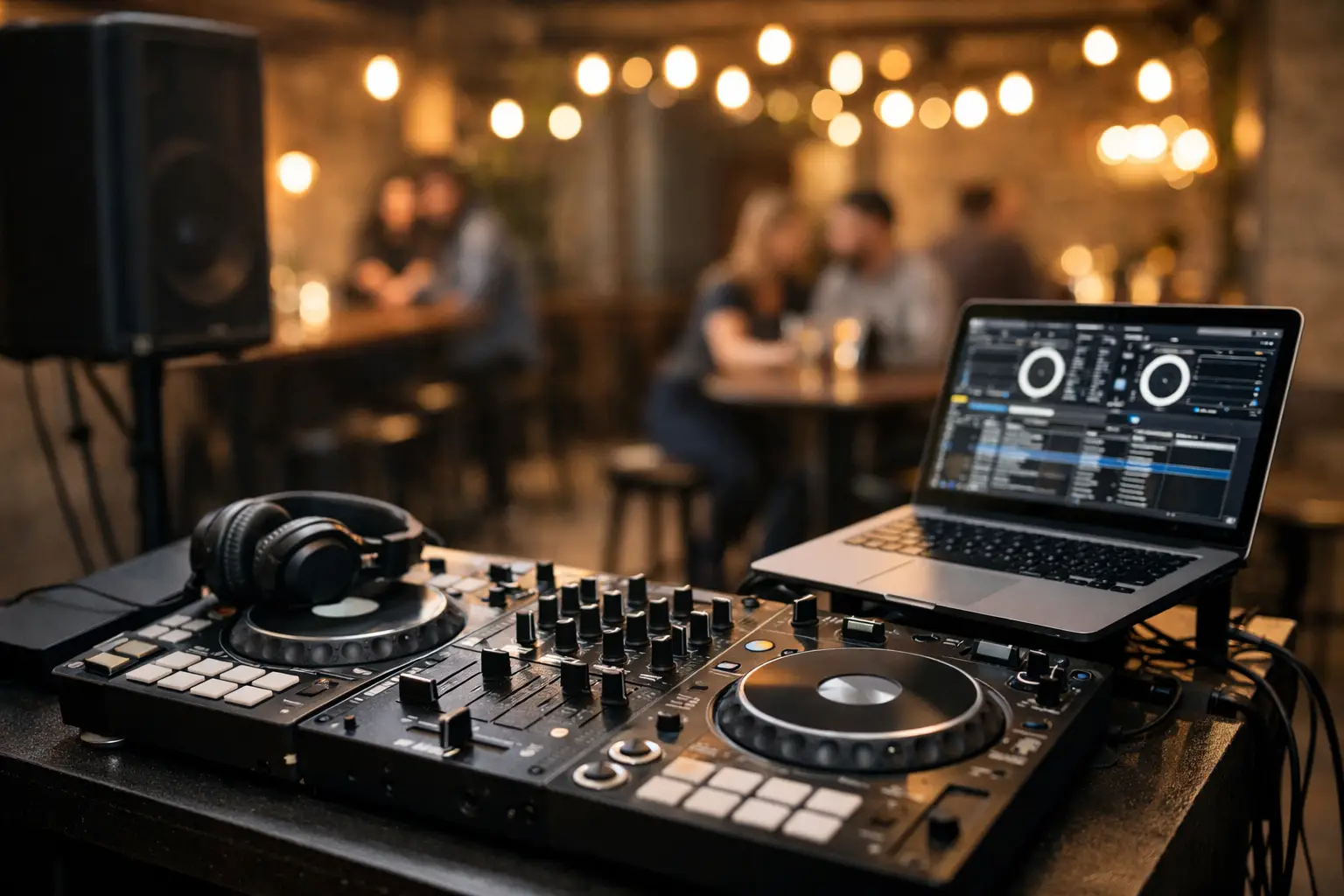
A packed function room can expose a poor DJ setup within minutes. Bass that is too heavy makes conversation difficult, lights aimed at guests become distracting, and a bulky booth can take over the space before the first dance has even started. A well-planned DJ setup for small venues does the opposite: it keeps the dance floor lively, gives guests room to move and looks right for the occasion.

For weddings, birthdays and company events, the goal is not to bring the biggest possible system. It is to supply professional sound, controlled lighting and a neat presentation that suits the room, the guest numbers and the venue rules.

Start with the room, not the equipment

Small venues vary enormously. A private dining room for 40 guests has very different requirements from a low-ceilinged social club, a compact hotel suite or a village hall with 100 people attending. Before choosing speakers or lighting, establish where the DJ will be positioned, the available floor space, ceiling height, access route and location of power sockets.

The DJ position matters more than many hosts expect. Placing the equipment in a corner can save space, but it can also create uneven sound or leave the dance floor feeling disconnected from the music. A sensible layout gives the DJ a clear view of the floor, keeps cables away from guest walkways and leaves enough room for a natural entrance, buffet service and photographers.

It is also worth asking the venue whether it has a sound limiter. These devices monitor volume and can cut the power if music goes above a fixed level. A professional DJ can work successfully with a limiter, but needs to know in advance so the system can be set up and tested properly rather than pushed too hard later in the evening.

Sound should be clear, not excessive

More power is not automatically better. In a smaller room, two quality professional speakers are often enough to deliver full, warm sound without making the room uncomfortable. The difference comes from speaker placement, careful volume control and an experienced DJ who can read the room.

Speakers should usually be raised so sound travels over the nearest guests rather than directly into them. They should face the dance floor where possible, not point at the bar, dining tables or the venue staff trying to serve drinks. This improves clarity and reduces the temptation to turn the volume up simply because people at the back cannot hear properly.

Subwoofers can add impact for party music, but they are not essential for every small venue. In a room with a wooden floor or a strict noise policy, a subwoofer may create more low-frequency vibration than the venue permits. For an intimate wedding meal followed by dancing, a balanced speaker setup can be the better choice. For a larger party room with a strong dance-floor focus, a compact subwoofer may be appropriate if the venue allows it.

A good DJ setup for small venues is designed around comfortable coverage. Guests should be able to enjoy the music on the dance floor without needing to shout across the table during a catch-up.

Why professional equipment still matters

Compact does not mean basic. Professional-grade sound equipment gives better control over volume, vocal clarity and bass response. It is more reliable than a domestic speaker arrangement and better suited to handling an evening of requests, announcements, first dances and busy dance floors.

For a wedding or corporate function, a microphone is equally important. Speeches, introductions, prize presentations and surprise announcements all need to be heard clearly. A wireless microphone provides flexibility, but it should be checked before guests arrive and kept ready for the organiser or venue coordinator when needed.

Keep lighting focused on the dance floor

Lighting creates atmosphere quickly, but in a small room it needs restraint. One or two well-positioned effects can make a compact dance floor feel energetic. Too many fixtures, fast flashes or bright beams across dining tables can make a polished event feel cluttered.

The most effective approach is usually a tidy lighting bar or stand behind the DJ, with effects directed towards the floor and ceiling. This provides movement and colour without filling the room with equipment. For weddings, softer colour washes during the meal and early evening can give way to more upbeat effects once the party begins.

Uplighting is especially useful in small venues because it adds colour without taking up valuable floor space. A run of LED uplighters around the room can highlight walls, columns or features while matching a wedding colour scheme, company branding or party theme. Unlike large light fixtures, uplighting can improve the whole room even when the dance floor is modest.

If the room has low ceilings, avoid planning a setup that relies on high-mounted effects or large overhead structures. A low-profile rig and carefully placed uplighters will look more considered and reduce the risk of lights dazzling guests.

Make the DJ area part of the event styling

The DJ booth is visible all evening, particularly at weddings. A plain table with exposed cables can distract from otherwise thoughtful décor, while an oversized structure can dominate a smaller room. A smart, compact booth creates a professional focal point without making the setup feel intrusive.

White DJ booths work particularly well for weddings and formal events, especially when paired with a white LED dance floor, illuminated love letters or Mr & Mrs letters. For birthday parties and corporate functions, a black booth or branded colour scheme may suit the room better. The aim is to make the entertainment area feel like part of the event, not an item that has been added at the last minute.

This is where using one supplier for entertainment and styling can make planning easier. The DJ setup, dance floor, uplighting, backdrops and decorative letters can be sized and positioned together, rather than relying on separate suppliers to work around one another on the day.

Allow enough time for access and setup

A compact setup still needs proper setup time. Some venues have lifts, narrow corridors, stairs, limited parking or shared access with restaurant and hotel operations. If equipment has to be brought through a busy entrance shortly before guests arrive, the risk of delay increases.

Provide the supplier with the venue name, event room, guest arrival time and any access instructions as early as possible. For wedding venues, confirm whether the DJ can set up before the meal, during room turnaround or only after guests have moved into another area. Each option affects the equipment choice and the time available for sound checks.

Cables should always be secured and routed safely. Professional suppliers use suitable cable protection where required, while keeping the setup tidy and practical. It is not a glamorous detail, but it matters when guests are wearing formal shoes, children are moving around the room and venue staff need clear routes to work.

Check the venue requirements before booking

Many established venues ask for public liability insurance and evidence that electrical equipment has been PAT tested. These are sensible checks, not unnecessary paperwork. They show that the supplier is prepared to work safely in a live event environment.

Ask about loading arrangements, finish times, sound restrictions, stage dimensions and whether the venue provides power close to the DJ position. If the event includes a band, singer or saxophonist alongside the DJ, mention this at the planning stage too. The sound system and space requirements may need adjusting so every performer has what they need.

At Mobile Disco Hire Birmingham, our equipment is PAT tested and our service is backed by £5 million public liability insurance, helping venues and organisers book with confidence. We can also arrange an appointment at our event and entertainment showroom for clients who want to see selected dance floors, décor and entertainment options before making decisions.

Choose the right package for the guest experience

A smaller venue does not have to mean a smaller occasion. The best package is based on how guests will use the room. A 50-person wedding with a late first dance may benefit from a neat DJ booth, two speakers, focused party lighting, uplighters and a compact LED dance floor. A corporate awards evening may prioritise microphones, clear background music and a clean-looking setup before the dancing begins.

For milestone birthdays, the balance often shifts towards more energetic lighting and a stronger dance-floor atmosphere. Even then, space remains the deciding factor. If adding a photo booth, sweet cart, throne chair or backdrop, plan where it will sit without squeezing guests away from the bar, tables or dance floor.

A venue visit, room plan or even a few clear photographs can prevent guesswork. It allows the setup to be matched to the space before the event day, leaving you free to focus on your guests rather than wondering whether the room will work.

The right small-venue DJ setup is not the loudest or the most crowded. It is the one that sounds excellent, looks polished and gives every guest a reason to stay for one more song.

DJ or Saxophone Wedding: Which Fits Yours?

By

DJ or Saxophone Wedding: Which Fits Yours?

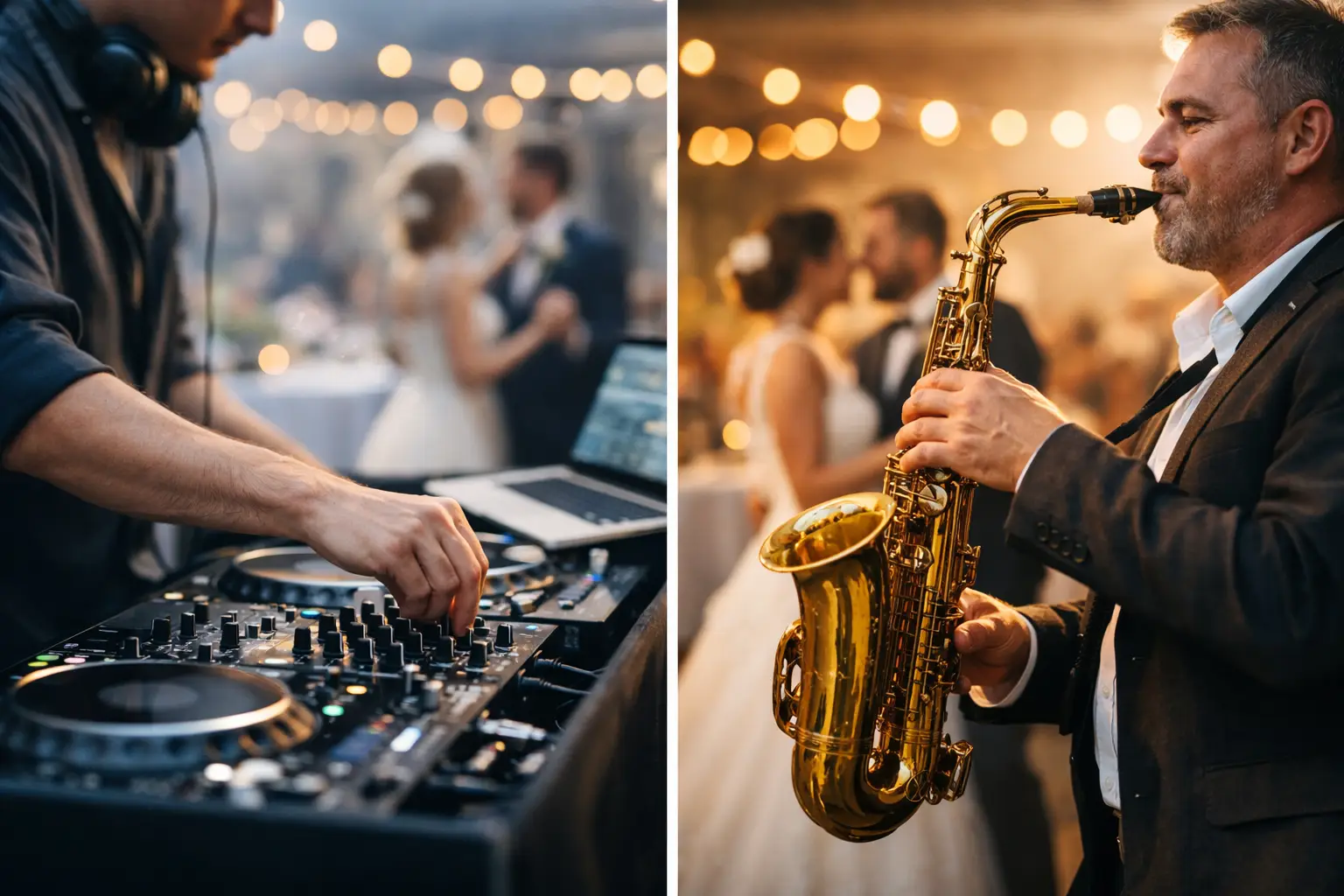
The key decision behind a DJ or saxophone wedding is not simply which sounds better. It is about the atmosphere you want at each point of the day, the size and mix of your guest list, and whether you need entertainment that can keep the dancefloor busy for hours. A saxophonist can create a standout moment. A professional wedding DJ can manage the full evening. For many couples, the best answer is a combination of both.

DJ or saxophone wedding: start with the atmosphere

A saxophone performance brings energy, personality and a live feel to familiar tracks. It works particularly well during a drinks reception, wedding breakfast, venue entrance or the first part of the evening party. Guests notice it immediately because it feels interactive and visually impressive as well as musical.

A DJ creates a different kind of value. They can read the room, adjust the music as guests arrive on the dancefloor and move between decades, genres and requests without breaking the momentum. At a wedding, that flexibility matters. One table may be ready for 80s singalongs while another wants current chart music, Motown, R&B or dance classics. An experienced DJ can build a set around the people actually in the room rather than follow a fixed performance plan.

If your priority is a stylish, live feature for a defined part of the day, saxophone is a strong choice. If your priority is a packed dancefloor from the first dance until the venue closes, a DJ is usually the more practical booking.

What a wedding DJ does that a saxophonist cannot

A professional DJ is not there just to press play. They manage the flow of the evening, make suitable announcements where required, work around venue timings and select music that keeps different generations involved. They also bring the professional sound system and lighting needed to make the room feel like an evening celebration rather than a function room with background music.

This is especially useful where the guest list is broad. A typical Midlands wedding might include grandparents, work colleagues, university friends, children and family members who have travelled a long way. Their musical tastes will not be identical. A DJ has the catalogue and experience to bridge those gaps, starting with accessible floor-fillers and moving into the couple’s preferred music as the night develops.

A saxophonist may play brilliant sets, but there are natural limits to duration, repertoire and pacing. Most will perform in planned blocks with breaks in between. That is completely right for a live feature, but it is not normally a substitute for continuous evening entertainment unless music is supplied around the sets.

Where saxophone works best at a wedding

Saxophone is often at its best when used to lift a key moment rather than carry the entire reception. During the drinks reception, it gives guests something enjoyable to listen to while photographs are being taken and conversations begin. It can make an outdoor terrace, hotel bar or styled wedding breakfast feel more special without making it difficult for guests to talk.

Later in the day, a saxophonist can make an entrance alongside a DJ set. This works well for couples who want Ibiza-style house, disco, dance anthems or modern remixes, with live sax played over selected tracks. It creates a big visual and musical moment, particularly when the dancefloor is already active.

Consider your venue layout before choosing this option. A roaming saxophonist needs room to move safely among guests, while a performance in one position needs appropriate space near the sound system. The venue may also have sound limiters, access restrictions or specific finishing times. Checking these details early avoids last-minute compromises.

The DJ and saxophone combination

For couples who do not want to choose one over the other, a DJ and saxophone package is often the strongest format. The DJ provides the structure: music for arrivals, background playlists if needed, the first dance, party sets, requests and a reliable finish at the agreed time. The saxophonist adds live impact during one or two carefully planned sets.

The combination is most effective when the timing is clear. For example, the DJ can build the evening party after the first dance, the saxophonist can join for a high-energy 45-minute set once the floor has filled, and the DJ can then continue into singalongs and requests. Guests get the excitement of live music without losing the variety and continuity that makes a wedding party work.

It is worth agreeing the music direction in advance. If you love dance and house music, sax works naturally with those styles. If your dream party is indie, rock, country or classic soul, a DJ may be the better main focus, with sax reserved for daytime or a specific reception moment. There is no wrong answer, but the entertainment should suit your taste rather than follow a social media trend.

Budget, equipment and practical planning

Cost is a genuine factor in the DJ or saxophone wedding decision. A DJ package generally covers a full evening and includes sound equipment, lighting, setup and performance time. A saxophonist is commonly booked for a shorter set or a number of sets. Booking both will naturally cost more, although it can be better value than arranging separate suppliers with separate equipment, delivery charges and venue coordination.

Ask exactly what is included. You should know the performance times, setup requirements, whether a sound system is provided, how music is handled between live sets, and whether requests can be played. For a DJ, confirm the type of lighting supplied, the music planning process, arrival time and backup arrangements. For saxophone, clarify whether the performer plays with tracks, connects to the DJ’s system or brings their own amplification.

Venue readiness matters as much as musical style. Established suppliers should use PAT-tested equipment and hold public liability insurance, as many wedding venues will ask for these details before allowing entertainment to set up. Access is another practical point. A city-centre venue, country barn or upstairs suite may have loading restrictions, limited parking or a long walk from the entrance. Good suppliers plan for this rather than treating it as an afterthought.

At Mobile Disco Hire Birmingham, couples can coordinate professional DJ entertainment with venue styling such as LED dancefloors, uplighting, illuminated letters and photo booth hire through one experienced team. That can make a real difference when you are already managing catering, table plans, suppliers and venue deadlines. A showroom appointment is also useful if you want to see styling options before committing to a look.

Match the entertainment to your wedding schedule

Your day does not need the same level of music from start to finish. During the ceremony and meal, most couples want a relaxed atmosphere. At the evening reception, they want people dancing. Planning entertainment around those changing needs is often more effective than booking one act for an entire day.

A DJ is particularly useful when evening guests are arriving at different times. They can keep the energy building while people find their tables, greet the newlyweds and head towards the bar. Once the first dance has happened, there is no need for a pause while the next element is prepared.

Saxophone can be the memorable surprise. If you want a big entrance, a glamorous drinks reception or a burst of live energy after dinner, it gives you that feature. The best results come when it supports the schedule instead of interrupting it. Avoid placing a live set at a point when guests are still eating, speeches are delayed or the room is being turned around.

Questions worth asking before you book

Before deciding, think about who you most want to see on the dancefloor. If the answer is everyone, from parents to friends, a DJ should be the foundation. If you picture a smaller, style-led celebration with live music as part of the experience, saxophone may deserve a larger role.

Also consider whether your venue has a sound limiter, whether you have an outdoor space, how late the party can run and whether you want guest requests. A DJ offers more control over all of these moving parts. A saxophonist brings a distinctive live element, but works best with a clear brief and suitable timings.

The right choice should make your evening feel easier, not add another supplier problem to solve. Choose the entertainment that reflects your guests, your music and the moments you want people to remember when they talk about your wedding long after the last song.

Uplighting for Wedding Venues That Works

By

Uplighting for Wedding Venues That Works

A beautiful room can still feel flat once the daylight disappears. Uplighting for wedding venues changes that quickly, adding depth to plain walls, drawing attention to key features and helping the whole room feel connected to your chosen colour scheme. It is one of the most effective ways to make a hired venue look more personal without filling every corner with extra décor.

For couples planning a wedding in Birmingham or across the Midlands, the best results come from treating uplighting as part of the wider room plan. It should work with your flowers, chair covers, LED dance floor, backdrop and evening entertainment, rather than being an afterthought added on the week before.

Why wedding venue uplighting makes such a difference

Uplighters are compact LED lights placed around the edge of a room, usually against walls, pillars, alcoves or architectural features. They project light upwards, creating a soft wash of colour that changes the mood of the space far more effectively than standard ceiling lighting alone.

During a wedding breakfast, warm white, soft amber, blush or gentle pastel tones can make a room feel welcoming and elegant. Later, when the music starts, the same fittings can shift to richer colours or work alongside the DJ lighting to give the evening reception more energy. That day-to-night flexibility is a major reason uplighting offers such good value.

It also helps venues with neutral décor. Function suites, hotel ballrooms and village halls are often designed to suit many different events. That is practical for the venue, but it can leave couples wondering how to make the room feel like theirs. A carefully selected lighting colour can tie together navy stationery, sage-green flowers, burgundy bridesmaid dresses or a classic ivory-and-gold theme without permanently changing anything.

Planning uplighting for wedding venues

The first decision is not the colour. It is deciding what deserves attention. A row of uplighters placed evenly around every wall can look smart in a simple rectangular suite, but it is not always the right approach. In a room with dramatic pillars, a fireplace, a staircase or exposed brickwork, concentrating the lights on those features often creates a better result with fewer units.

Walk through the venue with the room layout in mind. Consider where guests will enter, where the top table sits, where photographs will be taken and where the dance floor will be positioned. Uplighting around a feature backdrop or behind illuminated love letters can give the head table a more finished appearance. Lights around the perimeter can then carry that colour through the rest of the room.

Match the lighting to the room, not just the colour chart

A pale shade can look very different on cream painted walls, dark wood panelling and exposed stone. Deep blue may look luxurious in a modern hotel suite but can appear almost black in a low-ceilinged room. Likewise, vivid pink or purple may suit an evening party but feel too strong for a formal wedding breakfast.

Warm white is a dependable option for classic weddings, particularly where the venue already has attractive walls and details worth showing off. Amber works well with gold, rustic and autumnal styling. Blues, purples and pinks bring more personality, while green can complement botanical themes when used carefully. If your palette includes several colours, choose one main uplighting shade rather than trying to reproduce every detail of the stationery.

Your photographer matters here too. The room needs atmosphere, but very intense colour directly behind the top table can affect skin tones in photographs. A professional supplier can advise on placement and brightness so the room looks impressive in person without making formal photographs harder to light.

Consider natural light and timing

Uplighting is most noticeable after dusk, yet it still has a role earlier in the day. In a bright, window-filled venue, it may provide a subtle background glow during the meal and become more visible as the afternoon turns into evening. In a darker suite, the same lights may need gentler settings from the start.

Ask to see the room at a similar time of year to your wedding if possible. A summer celebration with late daylight and a December wedding at 3pm are very different lighting jobs. This is also why a supplier should understand whether the room is being turned around between ceremony and reception, or whether all styling needs to be in place before guests arrive.

How many uplighters do you need?

There is no useful one-size-fits-all number. The correct quantity depends on wall length, ceiling height, room shape, existing décor and how dramatic you want the result to be. A small function room may look excellent with a modest, evenly spaced run of lights. A large ballroom, barn or marquee may need more coverage to avoid dark gaps.

As a guide, uplighters tend to work best when positioned consistently around the visible perimeter rather than clustered in one area with empty walls elsewhere. However, the priority should always be the key sightlines: the entrance, the top table, the cake area, the dance floor and any backdrop or feature display.

Do not assume more is automatically better. Too many lights, especially in strong colours, can overwhelm a refined scheme. The aim is to enhance the room and create depth, not turn every wall into a nightclub before the first dance. For a wedding with a DJ and dance floor, it is often sensible to keep the room wash elegant while allowing the party lighting to provide movement and excitement later on.

Venue rules, power and safety

Before booking, check what your venue allows. Some venues have preferred suppliers, fixed lighting, restrictions on access times or rules about placing equipment near fire exits and walkways. Historic buildings may also have limitations on attaching anything to walls or using particular areas.

Modern LED uplighters are usually low-heat and energy-efficient, but professional standards still matter. Cables must be safely managed, equipment should be PAT-tested where required, and the supplier should hold suitable public liability insurance. Battery-powered uplighters can be particularly useful where there are limited sockets, awkward room layouts or a need to keep floors clear, although the right option depends on the venue and running time.

Give your supplier an accurate floor plan, photographs of the room and your access schedule. If the venue has a coordinator, it helps for practical questions to be resolved in advance rather than during a busy set-up window. This is especially valuable when lighting is being installed alongside a DJ set-up, LED dance floor, photo booth or wedding styling package.

Coordinate lighting with your wider wedding styling

Uplighting is at its best when it is part of one organised look. The colour behind your top table can complement the flowers, while lighting around a white LED dance floor can make it stand out as the evening focal point. A neutral backdrop may look completely different when framed by warm white uplighters, and illuminated Mr & Mrs letters often gain more impact when the surrounding area is not left in darkness.

Booking entertainment and décor through one experienced supplier can make this much easier. There is one team considering access, power, positioning, set-up times and the transition from wedding breakfast to party. Mobile Disco Hire Birmingham can coordinate professional DJ entertainment, venue uplighting and a wide range of wedding styling items, helping reduce the number of separate suppliers you need to manage.

If you are unsure how a colour or product will look together, ask to visit a showroom by appointment. Seeing lighting, dance floors, backdrops and letters in person is often more useful than making a final decision from small online images.

Common uplighting mistakes to avoid

The biggest mistake is choosing a colour in isolation. A shade that looks perfect on a sample card may clash with the venue carpet, wall covering or existing chandeliers. Consider the room as a whole and, where possible, ask for recommendations based on your actual venue.

Another common issue is leaving the decision too late. Lighting availability can be limited on popular wedding dates, and the best plan may require a venue visit or discussion with the coordinator. Early planning also gives you time to decide whether you want a static elegant wash all evening or a colour change after the meal.

Finally, avoid blocking the effect with furniture. Tall centrepieces, large signs and draped fabrics can interrupt light placement, while uplighters positioned too close to tables may be hidden from view. A knowledgeable set-up team will adjust the layout around the final room plan rather than simply placing units at fixed intervals.

The right uplighting does not need to shout for attention. It gives your venue warmth, colour and a sense of occasion, then lets the people, music and celebrations take centre stage.

How to Choose Party DJ Packages for Your Event

By

How to Choose Party DJ Packages for Your Event

A party DJ is not simply someone who turns up with a playlist. The right booking sets the pace of the evening, keeps guests involved and gives your venue the atmosphere it needs. Knowing how to choose party dj packages means looking beyond the headline price and checking exactly what is included, who is providing it and whether it suits the kind of celebration you are planning.

For a birthday, anniversary, engagement party, school prom or corporate celebration, the best package is usually the one that covers the essentials properly and leaves room for the details that matter to you. A smaller family gathering may need a smart DJ setup and a few dancefloor lights. A larger event may benefit from a more substantial sound system, intelligent lighting, a photo booth or venue styling supplied by the same experienced team.

Start with the Party You Want to Create

Before comparing packages, decide what a successful night looks like for your guests. If you are planning a 40th birthday with a mixed-age crowd, music choice and the DJ’s ability to read the room are likely to matter more than a huge lighting rig. For a school leavers’ party or a lively corporate awards evening, visual impact, clean presentation and a strong dancefloor setup may be higher on the list.

Think about guest numbers, ages, the event start and finish time, and whether the DJ is providing background music during food or only entertainment after the formal part of the evening. These details affect the equipment required and the amount of performance time you are paying for.

It is also worth deciding whether you want the DJ to make announcements, introduce key moments or simply focus on the music. A confident party DJ can help coordinate cake cutting, prize presentations, first dances and surprise entrances without making the event feel over-scripted.

What Should a Party DJ Package Include?

A clear package description should tell you what equipment, timings and services are covered. Do not assume that every quote includes the same standard of setup. One supplier’s basic package may include professional speakers, a DJ booth and dancefloor lighting, while another may charge separately for lighting, early setup or an additional hour.

At a minimum, you should expect a professional DJ, suitable sound equipment for your guest numbers, lighting for the dancefloor, setup and pack-down, and a discussion about your music preferences. Ask how long the DJ will perform, what happens if the event runs late and whether travel or parking charges apply to your venue.

Professional standards matter just as much as the visible equipment. Venues may ask for PAT testing certificates and public liability insurance before allowing a mobile disco to set up. Choosing a supplier that is already venue-ready avoids awkward last-minute paperwork and gives you more confidence that the booking is being handled properly.

Match Sound and Lighting to the Venue

A package should be sized for the room, not just the number of guests. A compact function room with 60 people needs a different approach to a hotel suite, village hall or large corporate venue. Too little sound can leave the music feeling flat. Too much equipment in a small room can overwhelm the space and make conversation difficult.

Ask the DJ company whether they have worked at your venue before, or whether they will check access, available setup space, power points and any sound restrictions. Some venues have sound limiters, strict finish times or limited loading access. An experienced supplier plans for these practical issues instead of discovering them on the night.

Lighting deserves the same consideration. Basic disco lighting can transform a dancefloor, but upgrades such as uplighting, LED backdrops or an LED dance floor can help a plain venue look far more considered. The right choice depends on the room and your budget. In a venue with strong décor already, restrained lighting may be enough. In a blank canvas hall, styling can make a much bigger difference.

How to Choose Party DJ Packages Without Paying for Unused Extras

The cheapest package is not always the best value, but neither does every party need every available add-on. Start with a reliable DJ service, then add items that genuinely improve your guests’ experience or solve a planning problem.

A photo booth is a strong option when you want guests to have something to do between dancing, particularly at weddings, milestone birthdays and staff parties. LED numbers can create a focal point for an 18th, 21st, 30th or 50th birthday. Uplighting can tie the room into your colour scheme, while chair covers, balloons, sweet carts and decorative backdrops can reduce the number of separate suppliers you need to organise.

Booking entertainment and styling together can be particularly useful when you are short on time. You have one point of contact, fewer delivery schedules to coordinate and a more consistent look across the room. However, be specific about what is included. Confirm colours, quantities, placement, setup times and collection arrangements in writing so there is no uncertainty later.

Check the DJ’s Music Approach

A good party DJ does not rely on one fixed setlist. They should be comfortable working around your must-play tracks, favourite genres and any songs you would rather avoid. At the same time, leave room for professional judgement. A DJ who has spent years working events knows when to change direction if the dancefloor responds better to Motown, R&B, 90s classics, chart music, indie or party anthems.

Ask how requests are handled. Some hosts want a carefully chosen playlist with limited guest requests, while others enjoy letting the room influence the night. Neither approach is wrong, but it is better to agree it before the event.

For mixed groups, a DJ’s experience is often the difference between a playlist that looks good on paper and a dancefloor that actually fills. Look for someone who can manage the transitions between generations and musical tastes without making the evening feel disjointed.

Compare Quotes Like for Like

When you receive quotations, compare the full service rather than one number at the bottom of an email. Check the DJ hours, equipment included, lighting level, travel, setup, insurance, testing, contingency arrangements and any optional extras. A lower quote can become less attractive if essential items are added later.

You should also ask about backup plans. Equipment can fail, traffic can delay travel and illness can happen to any performer. Established suppliers should have procedures, spare equipment and a reliable team structure that protect your event where possible.

Responsiveness is a useful sign too. If a company is slow or vague when answering straightforward questions before you book, that can be frustrating when you are trying to finalise event details. Fast, clear communication helps you feel in control and makes it easier to coordinate with your venue.

Visit a Showroom or Ask to See the Setup

Photos are useful, but they do not always show the scale or condition of equipment. If you are investing in a complete party package, seeing options in person can make decisions much easier. You can compare booth styles, lighting effects, LED letters, dance floors and décor products, then choose what works with your venue rather than guessing from a screen.

Mobile Disco Hire Birmingham offers appointments at its event and entertainment showroom, giving customers the chance to view entertainment and styling options together. This is especially helpful when planning a wedding or larger party where the overall presentation matters as much as the music.

Book Early, Then Confirm the Details

Popular Saturdays and peak dates book quickly, particularly during summer, Christmas and school prom season. Once you have found a package that fits, secure it with the required booking process and keep a written record of timings, venue address, access information and agreed extras.

A few weeks before the event, send your final music notes, key timings and venue contact details. Let the DJ know about any surprises, speeches or formal moments that need music cues. This small amount of preparation gives the DJ the information needed to keep the night moving naturally.

The best party DJ package should make planning easier, not give you another supplier to chase. Choose a professional team that understands your venue, listens to what you want and can provide the right level of entertainment and styling for a celebration your guests will remember.

Is an LED Dance Floor for Weddings Worth It?

By

Is an LED Dance Floor for Weddings Worth It?

The moment the first dance begins, every eye in the room is on the couple. An LED dance floor for weddings gives that moment a clean, bright focal point, then keeps working long after the formal photos are finished. It can make a plain function room feel dressed for the occasion, lift a darker venue and give guests a clear invitation to join the party.

For many couples, the appeal is not just the lights. It is the difference between a room that looks hired and a room that feels properly styled. A white LED floor creates a polished base for your first dance, cake-cutting photographs and evening reception, while the twinkling effect brings atmosphere once the DJ starts the party.

What an LED dance floor adds to a wedding reception

A dance floor is one of the largest visual features in a reception room. It sits in the centre of the celebration and appears in a huge number of photographs and videos. Choosing an LED option turns that practical space into part of the décor rather than leaving it as an afterthought.

The light-up finish works particularly well with white chair covers, floral centrepieces, uplighting and illuminated love letters. It reflects surrounding light and helps tie together a classic white, ivory, silver or glitter-themed wedding scheme. For couples who want a modern finish without filling the room with too many decorations, it delivers real impact in one feature.

It also helps shape the evening. Guests are naturally drawn towards a defined, attractive dance area. Once the first dance is over, people are more likely to step onto a floor that looks inviting than an empty section of carpet at the edge of the room. A good wedding DJ, suitable lighting and a properly positioned dance floor work together to build momentum.

Is a light-up floor right for your venue?

An LED dance floor for weddings suits many venues across Birmingham and the Midlands, from hotel suites and banqueting rooms to village halls and converted barns. However, the right choice depends on the space, guest numbers and the venue’s access arrangements.

Start by considering the size of your evening party. A floor that is too small can become crowded quickly, particularly if you have a lively guest list and a DJ playing popular party music. One that is unnecessarily large can take up valuable room for tables, a photo booth, sweet cart or seating. The best layout leaves enough space for guests to dance comfortably while keeping clear routes for catering staff and venue access.

The room itself matters too. In a low-ceilinged suite with limited natural light, an LED floor can brighten the centre of the venue and make the room feel more open. In a grand room with statement chandeliers, it provides a crisp contrast beneath more traditional décor. At a rustic venue, it can create a smart contemporary focal point, although some couples may prefer a more understated finish to keep the character of the building front and centre.

Before booking, check whether the venue has any rules on delivery times, loading access, electrical supply or floor protection. Reputable suppliers will be used to working with venue teams and will plan set-up around those requirements. This is not the glamorous part of wedding planning, but it prevents last-minute issues on the day.

Choosing the right size and layout

There is no single dance floor size that fits every wedding. The practical answer depends on how many people will be attending the evening reception, not just the daytime meal. A wedding with 60 evening guests may need a very different layout from one with 180 guests, even if both are held in the same venue.

Think about where the DJ will be positioned, where guests will enter the room and whether you are adding other features nearby. Illuminated Mr & Mrs letters look excellent at the edge of the floor or behind the top table, but they need to be placed where they will not obstruct dancing or serving routes. A photo booth should be close enough to be noticed, but far enough away that its queue does not spill onto the dance area.

If your venue is compact, it can be better to choose a sensibly sized LED floor and invest in coordinated uplighting or a backdrop rather than trying to fit every possible feature into one room. The strongest wedding styling is balanced. Each item should have space to be seen and used properly.

Plan for the first dance photographs

Your photographer will be working around the dance floor, DJ set-up, guests and venue lighting. A bright, uncluttered floor gives them a useful backdrop, but the final result is affected by what surrounds it. Keep large bags, spare chairs and service equipment away from the immediate dance area where possible.

It is also worth discussing the first dance timing with your DJ and venue. Many couples prefer the room lighting lowered, the floor illuminated and guests gathered around the edge. This creates a more intimate look in photographs before the wider party lighting begins.

Why booking entertainment and styling together helps

An LED floor is at its best when it is planned as part of the full room set-up. Booking the floor from one company and the DJ, uplighting, letters and décor from several others can work, but it creates more delivery schedules, more people needing venue access and more opportunities for details to be missed.

A coordinated supplier can plan the room around the equipment from the outset. The DJ set-up can be positioned to face the floor correctly, lighting can complement the colour scheme, and decorative items can be placed to leave a clear dancing area. It also gives you one point of contact if your timings change, the venue requests an adjustment or you decide to add a service nearer the date.

Mobile Disco Hire Birmingham provides wedding DJs alongside LED dance floors, photo booths, backdrops, uplighting, love letters and wider wedding styling hire. With more than 20 years of event experience, PAT-tested equipment and £5 million public liability insurance, the focus is on providing a professional, venue-ready package rather than simply dropping off items and hoping they fit together.

For couples who want to see styling options before committing, a showroom appointment can be particularly useful. Photographs are helpful, but seeing the scale and finish of a floor, letters or backdrop in person makes it easier to decide what will suit your venue and budget.

Questions to ask before you book

Ask what size floor is recommended for your expected evening numbers and whether the supplier can work around your venue layout. Confirm when the team will arrive, how long installation and collection will take, and whether venue access needs to be arranged in advance.

You should also check what is included in the hire price. Delivery, installation, collection and any required cable management should be clear from the start. Professional event equipment should be maintained, electrically tested where required and installed safely, especially in a busy room where children, heels and drinks are all part of the evening.

Finally, be honest about your priorities. If the photographs, first dance and evening atmosphere matter most, an LED floor can be one of the highest-impact styling choices you make. If your budget is tight, a smaller floor combined with well-placed uplighting may give a better result than spending everything on one oversized feature.

The best wedding reception rooms do not need to be overloaded. They need a few well-chosen features that work together, leave guests room to celebrate and make the centre of the party feel special from the first dance until the last song.

Can One Supplier Style Your Whole Wedding?

By

Can One Supplier Style Your Whole Wedding?

A wedding morning can quickly become a spreadsheet of delivery slots, supplier phone numbers and unanswered emails. So, can one supplier style a whole wedding and still make it feel personal rather than packaged? In many cases, yes – provided that supplier has a broad enough range, understands how the different elements work together and has the experience to manage the practical details.

For couples planning a wedding in Birmingham, the Midlands or nearby counties, using one established event supplier for entertainment and venue styling can remove a great deal of pressure. It means fewer separate bookings to chase, a more coordinated look in the room and one team that understands the full plan for the day.

Can one supplier style your whole wedding?

A full wedding style is more than matching chair covers to table decorations. It is the overall atmosphere guests see when they enter the venue, the background behind your top table, the lighting on the dance floor, the focal points that appear in photographs and the mood that builds as the evening celebration begins.

One supplier can cover a large part of that picture when they provide both styling products and entertainment. This may include chair covers, wedding flowers, balloons, LED backdrops, illuminated love letters or Mr & Mrs letters, sweet carts, throne chairs, uplighting and an LED dance floor. Add an experienced wedding DJ and professional sound and lighting, and the same team can support the change from daytime wedding breakfast to evening party.

That does not mean every wedding should look the same. The best approach is to choose a small number of key features that fit your venue, guest numbers and budget. A rustic barn, a modern hotel suite and a grand banqueting room each need different styling choices. The benefit of a single supplier is not a one-size-fits-all package. It is having the items and practical knowledge in one place, with someone helping you make the right combinations.

Why couples choose one coordinated wedding supplier

The obvious advantage is convenience, but the value goes further than having fewer names on your supplier list. When your DJ, dance floor, backdrop and room décor are arranged through one company, the elements can be planned together from the start.

For example, a white LED dance floor works particularly well with uplighting and illuminated letters, while a photo booth needs a sensible position that does not block access to the bar, buffet or dance area. A supplier providing several of these items can consider the layout as a whole rather than arriving with one product and leaving other decisions to chance.

It can also reduce delivery complications. Instead of multiple teams arriving at different times, needing separate access arrangements and asking the venue the same questions, a coordinated booking can be delivered and installed in a more organised way. This is especially useful at venues with limited set-up windows or strict access rules.

There is a financial benefit too, although it is not guaranteed that one supplier will always be the cheapest option. Package pricing can make sense when you genuinely want several services. However, the main saving for many couples is time: fewer quotes to compare, fewer deposits to track and fewer last-minute messages to send during an already busy week.

What a whole-wedding styling package can include

Your wedding does not need every available product. A good supplier should help you build around the details that will make the biggest visual difference rather than encourage unnecessary add-ons.

For the ceremony or wedding breakfast, chair covers can instantly make mixed venue chairs look more uniform, while floral arrangements, balloon displays or a carefully placed backdrop can define your top table or entrance. Illuminated love letters are often used as a feature for guest photographs and can add warmth to a larger room.

For the evening reception, the focus normally shifts towards lighting, music and space for guests to celebrate. Uplighting can change the feel of plain walls, an LED backdrop creates a clean focal point behind the DJ or top table, and an LED dance floor gives the party area a clear centre. A photo booth and sweet cart can keep guests entertained during quieter moments, particularly while the newlyweds are having photographs taken.

The DJ should be part of the styling conversation, not an afterthought. Their set-up needs to look professional, suit the room and leave enough space for dancing. Professional-grade sound and lighting equipment matters, but so does a DJ who can read the room, work with your requests and keep the energy right through the evening.

The practical checks that matter before booking

A broad service range is useful only if the supplier can deliver it reliably. Ask what is included in the price, whether delivery, set-up and collection are covered, and how the team will coordinate with your venue. You should also check the available set-up time and whether items need to be installed before guests arrive.

Venue compliance is another point that should not be overlooked. Many wedding venues will ask for public liability insurance and PAT testing for electrical equipment. A professional supplier should be ready to provide the relevant paperwork when required. This protects the venue, reassures you as the couple and avoids awkward problems close to the event date.

It is also worth asking who your main contact will be. One supplier does not help if you are passed between several departments without a clear answer. Look for fast, straightforward communication and a team that can explain the plan in plain English: what arrives, when it arrives, where it goes and what happens if the venue changes the room layout.

At Mobile Disco Hire Birmingham, couples can combine wedding DJs, entertainment hire and venue décor through one experienced local team. With more than 20 years in the industry, PAT-tested equipment and £5 million public liability insurance, the focus is on providing a professional, venue-ready service rather than simply dropping off hire items.

When separate wedding suppliers may be better

Using one supplier is not automatically the right choice for every part of your wedding. If you have a very particular vision for bespoke floristry, hand-painted stationery, couture draping or a highly specialised cultural ceremony, a dedicated specialist may be the better fit. Those details often need the focused creative input of someone working in that field every day.

The sensible middle ground is to use one supplier for the connected, practical elements – such as DJ entertainment, lighting, dance floor, photo booth and venue décor – while retaining a specialist where their craftsmanship is central to your plans. This still reduces the number of moving parts without compromising on the features that matter most to you.

You should also be realistic about venue restrictions. Some venues have limited electrical capacity, low ceilings, fixed furniture or rules around candles, confetti and balloon installations. A capable supplier will ask these questions early and recommend alternatives rather than promise something that cannot be installed safely.

How to make one supplier feel personal

The concern some couples have is understandable: booking a package can sound like choosing a standard wedding from a brochure. Personalisation comes from the decisions you make before the booking is confirmed.

Start with the feeling you want guests to have when they walk in. Do you want a soft, romantic look with warm uplighting and elegant floral features? A glamorous evening feel with a sparkling dance floor and statement letters? Or a lively party atmosphere built around music, a photo booth and bold décor? Sharing a few venue photographs, colour ideas and examples of styles you like gives your supplier something practical to work from.

Then prioritise. Pick two or three visual features that matter most, rather than spreading the budget across too many smaller additions. In a simple venue, a dance floor and uplighting may have more impact than extra table decorations. In a striking venue, subtle chair styling and a well-positioned photo booth might be enough.

If you want to see products before deciding, an event and entertainment showroom visit can be useful. Seeing the size, finish and lighting effect of letters, backdrops and dance floors in person is often much easier than judging from a screen. Arrange an appointment, bring your ideas and discuss what will work in your specific venue.

A well-styled wedding is not created by hiring the most items. It is created when the music, lighting, décor and room layout all support the celebration you want to host. Choosing one capable supplier for those connected parts can leave you with less supplier admin and more time to enjoy the build-up to your day.

12 Best Wedding Entrance Decor Pieces to Hire

By

12 Best Wedding Entrance Decor Pieces to Hire

Your entrance is the first part of the wedding your guests will see, photograph and remember. The best wedding entrance decor pieces do more than fill an empty doorway – they set the standard for the whole celebration, direct guests confidently into the venue and create a brilliant backdrop before the ceremony or wedding breakfast has even begun.

For couples planning a wedding in Birmingham or across the Midlands, the most effective entrance styling usually combines one standout feature with a few carefully matched details. The aim is not to crowd the space. It is to make the arrival feel considered, welcoming and unmistakably yours.

Start with the venue entrance itself

Before choosing décor, look closely at the available space. A country barn, hotel function suite, marquee and city-centre venue all need different treatments. Measure the doorway, check where guests will park or arrive, and consider whether the entrance needs to work in daylight, after dark, or both.

It also pays to ask your venue about access times, fixing restrictions and fire-safety requirements. Freestanding pieces are often the easiest answer because they create impact without attaching anything to walls, doors or historic features. A professional hire supplier should also be able to deliver, position and collect items around your venue schedule, rather than leaving you to organise decoration on the morning of the wedding.

Best wedding entrance decor pieces for real impact

Flower arches and floral displays

A flower arch remains one of the strongest ways to frame an entrance. It gives guests a clear focal point, softens a plain doorway and looks excellent in photographs. White and greenery designs suit classic weddings, while blush, nude, bright seasonal flowers or richer autumn shades can carry your colour scheme through from the invitation to the reception room.

The practical choice depends on the setting. A full arch works beautifully around a wide entrance or ceremony doorway, but two large flower displays can be better for a narrow door, a venue with limited access or a tighter budget. Artificial flower arches are particularly useful for all-day reliability, as they retain their shape and colour whatever the weather decides to do.

Welcome signs that feel personal

A welcome sign is a simple piece, but it does a useful job. It reassures guests they are in the right place, adds the couple’s names and wedding date to the styling, and creates an easy photograph point at the start of the day.

For a formal hotel wedding, a clean mirrored, acrylic or framed sign may suit the room best. Rustic easels and wooden signs complement barns and outdoor settings. The sign should be large enough to read from a few steps away and positioned where it will not block the entrance, registration table or guest flow.

Add a small floral arrangement, lanterns or matching balloons around the base and it will look intentional rather than placed there as an afterthought.

Illuminated LOVE letters and Mr & Mrs letters

Large illuminated letters bring immediate evening appeal, especially when your entrance is visible from the reception area or leads directly towards the dance floor. LOVE letters are a versatile choice for weddings of every style, while Mr & Mrs letters give a more traditional wedding-focused statement.

They work best against a clear background, with enough room for guests to walk around them safely. Consider the lighting in the room too. In a darker venue, illuminated letters add warmth and depth. In bright daylight, they still look smart but may need flowers, uplighting or a backdrop to provide the same visual impact.

Uplighting for evening atmosphere

Uplighting is one of the most cost-effective ways to make an entrance feel more finished. Placed along a wall, behind a flower display or around a doorway, it can highlight architectural details and bring your wedding colours into the space without adding clutter.

Warm white lighting gives a timeless look. Soft pink, amber, blue or purple can work well for evening receptions, particularly when the colours match your table décor, LED dance floor or DJ lighting. The key is control. A coordinated lighting setup should enhance the room, not turn the entrance into a nightclub before the party has started.

LED backdrops and statement walls

If your venue has a blank wall near the entrance, an LED backdrop can turn it into a feature. The soft light creates a polished setting for welcome photographs and works especially well alongside flower arrangements, throne chairs or illuminated letters.

This is a strong option for function rooms where the entrance itself is fairly plain. It can also help separate the arrival area from the main celebration space. However, it needs sensible placement. Make sure guests can enter freely, staff can access doors and the backdrop does not compete with a more important focal point such as the top table.

Balloon displays for modern colour

Wedding balloons have moved well beyond a few helium bunches tied to a chair. Organic balloon garlands, half arches and balloon columns can give an entrance colour, shape and a contemporary feel. They are particularly effective for couples who want a more relaxed, playful or bold look.

Choose shades that support the rest of your styling rather than every colour in the palette. White, chrome gold, pearl, sage, blush and clear balloons can look elegant, while stronger colours make a confident statement for a party-led evening reception. Balloons are also useful where fresh flowers are not the priority, allowing more of the decoration budget to go towards entertainment, photography or catering.

Lanterns, aisle details and finishing touches

Small details give a styled entrance depth, particularly around a flower arch or welcome sign. Lanterns with safe LED candles, plinths, faux foliage, petals and carefully placed chair covers can make the approach feel complete without demanding a large installation.

These are the pieces that should match rather than dominate. If you already have an arch, sign and letters, keep the extras restrained. If your venue entrance is naturally impressive, a welcome sign with two floral arrangements and soft uplighting may be all that is needed.

Match the décor to the guest experience

The most successful entrance styling considers how people will use the space. Guests may be arriving in heels, carrying gifts, pushing prams or looking for the cloakroom. Leave a clear route through the doorway, avoid trailing cables and make sure any freestanding feature is stable.

Think about photographs as well. If guests are likely to gather outside on arrival, a flower arch or balloon display near the entrance gives them an attractive place to take pictures. If they will enter straight into the reception room, illuminated letters and a backdrop may have more value because they continue working throughout the evening.

There is also a timing question. An entrance feature used for daytime arrivals needs to look good in natural light. For an evening-only reception, lighting can take a much bigger role. Your décor should suit the actual schedule, not simply a photograph saved on a mood board.

Build a coordinated package, not a collection of random hires

Hiring your entrance décor, DJ, uplighting, LED dance floor and photo booth from separate suppliers can create unnecessary pressure. Different delivery windows, different setup teams and different points of contact leave more for you to manage on a busy day.

A coordinated package keeps colours, finishes and lighting consistent while simplifying the practical side. Mobile Disco Hire Birmingham provides wedding entertainment and styling items under one roof, from professional DJs and lighting to flowers, chair covers, balloons, backdrops and illuminated letters. With more than 20 years of experience, PAT-tested equipment and £5 million public liability insurance, the focus is on décor that looks the part and is ready for venue requirements.

If you are unsure what will suit your space, visiting an event and entertainment showroom by appointment can make the decision much easier. Seeing the scale of letters, backdrops and floral pieces in person is often more useful than judging them from a small image.

Choose one main entrance feature, repeat two or three colours from the rest of your wedding, and keep the route clear for every guest. That balance will make your arrival feel polished from the first hello, without adding more to your wedding list than the venue truly needs.

Mr and Mrs Letters Review: Worth Hiring?

By

Mr and Mrs Letters Review: Worth Hiring?

A wedding venue can look beautifully dressed in daylight, then lose much of its character once the evening reception begins. That is where illuminated signage earns its place. In this Mr and Mrs letters review, we look at what these statement letters actually add to a wedding, where they work best, and whether they are the right hire choice for your celebration.

Large illuminated Mr & Mrs letters are a simple idea, but their impact is immediate. They create a clear focal point, give the room a warm evening glow and provide a natural backdrop for photographs. For couples planning a reception in Birmingham or across the Midlands, they can also be one less supplier and delivery to arrange when booked alongside a DJ, dance floor or wedding styling package.

What are Mr & Mrs letters?

Mr & Mrs letters are freestanding, illuminated letters, usually finished in a clean white style with warm white bulbs. Set together, they form a feature that celebrates the couple without needing a complicated backdrop or additional wording. They are commonly placed by the dance floor, behind the top table, near the cake display or beside a photo booth.

They are not intended to fill every empty corner of a venue. Their strength is in being a deliberate feature. A well-positioned set looks polished in photos and helps draw guests towards the heart of the evening reception.

The letters suit a wide range of wedding styles. They work particularly well with white chair covers, uplighting, flower walls, LED backdrops and LED dance floors. In a rustic barn, they add a smart modern contrast. In a hotel ballroom, they can break up a large space and add warmth. At a smaller venue, careful placement matters more, as oversized décor can make a room feel crowded.

Mr and Mrs letters review: the real benefits

The main reason couples hire illuminated letters is visual impact. Unlike a table decoration, they remain visible from across the room and continue working after dark. Once the DJ lighting is on and guests are dancing, the letters help the venue still look like a wedding rather than simply a party room.

They also offer strong value in wedding photographs. Your photographer, videographer and guests will naturally use them as a background for couple photos, family groups and relaxed evening pictures. A photo booth placed nearby can make even better use of the area, giving guests a clear spot to gather throughout the night.

There is a practical benefit too. A reputable hire supplier will deliver, position, test and collect the letters, so there is no need to transport large items or work out how to set them up. This is especially useful where venues have restricted access times or specific requirements for electrical equipment. Professionally maintained, PAT-tested equipment and appropriate public liability insurance can prevent awkward discussions with a venue coordinator.

For couples booking several services, combining décor and entertainment with one established supplier can make planning much easier. Rather than coordinating separate drop-offs for a DJ, dance floor, lighting and letters, you have fewer timings, contacts and last-minute questions to manage.

Where should the letters go?

Placement determines whether the letters look impressive or merely take up floor space. The most popular position is around the dance floor, either at the side or along the back wall. This makes them part of the evening atmosphere while keeping the main floor clear for guests.

Behind the top table can be effective if there is enough room, particularly in venues with a plain wall that needs dressing. However, check that guests and serving staff can move comfortably behind the chairs. The letters should enhance the top table, not turn it into an obstacle course.

A dedicated photo area is another excellent option. Pairing the letters with a flower wall, LED backdrop, throne chairs or a photo booth creates a feature that guests understand immediately. It is also useful where the rest of the venue is already busy with tables, entertainment equipment and the bar.

Avoid placing them directly in a main doorway, fire exit route or narrow corridor. It sounds obvious, but wedding rooms often change layout during a busy set-up. A professional supplier should discuss the plan with you and, where needed, work with the venue on a sensible final position.

Think about the room after dark

A daytime venue visit can be misleading. Ask yourself where the dance floor, DJ set-up and evening lighting will sit once the reception changes pace. Warm white letters are designed to complement the room, but they can be less noticeable against a very bright background or compete visually with too many other lighting features.

This does not mean you should avoid additional lighting. Uplighting and an LED dance floor can look excellent with illuminated letters. The key is balance: select a coordinated colour scheme and give each feature enough space to be seen.

Are they worth the hire cost?

For many weddings, yes, particularly if the reception space is plain, large or used for both the wedding breakfast and evening party. The letters add a finished look without the cost and planning involved in a fully built backdrop. They can be a sensible alternative when you want an obvious visual feature but do not need extensive venue dressing.

That said, they are not essential for every event. If you have a small guest list in an intimate restaurant room, low ceilings, limited floor space or a venue with striking permanent décor, your budget may work harder elsewhere. Extra entertainment time, a quality DJ, photography or a practical guest experience such as a photo booth may take priority.

It depends on what you want the evening to feel like. Couples who care about a styled dance floor, social photographs and a strong evening reveal will usually see the value. Couples focused on a very minimal look may prefer subtle table lighting or flowers instead.

When comparing quotes, do not judge on a headline price alone. Confirm whether delivery, set-up, collection and VAT are included, whether the equipment is suitable for your venue, and what happens if access is delayed. A lower quote can become less attractive if it leaves you responsible for collection times, positioning or arranging power.

Choosing the right supplier

A good Mr & Mrs letters hire service should feel straightforward from the first enquiry. The supplier should be able to confirm the letters’ dimensions, required space, power needs, access arrangements and set-up timing. They should also ask useful questions about your venue, guest numbers and other items being hired.

Experience matters because wedding set-ups rarely run exactly to schedule. A supplier used to working with venues can adapt around room turns, catering teams and other installers without creating unnecessary stress for the couple. Fast, clear replies are valuable too – especially when you are trying to finalise a floor plan in the weeks before the wedding.

At Mobile Disco Hire Birmingham, illuminated letters can be arranged alongside wedding DJs, photo booths, LED dance floors, uplighting and wider venue styling. This gives couples one coordinated booking and helps ensure the decorative elements work with the entertainment set-up rather than competing for the same space.

If you are unsure whether the letters will suit your room, an appointment at an event and entertainment showroom can be worthwhile. Seeing the scale and finish in person is often more useful than relying on a single photograph. It also gives you the chance to compare complementary options, from love letters to backdrops and dance floors.

A few details to confirm before booking

Before committing, ask for the physical dimensions of the full Mr & Mrs display and allow clear space around it for guests and photographs. Confirm the venue’s available power points and whether cables will need covering. Check delivery access, particularly for city-centre venues, upper-floor function rooms and locations with tight loading times.

It is also worth discussing the room layout after the wedding breakfast. Some venues move tables, open partitions or reposition the dance floor before the evening reception. Your letters should be planned for the layout guests will actually see during the celebration, not simply where there happens to be space earlier in the day.

The best test is a simple one: imagine your first dance, your evening photographs and the view guests see when they enter the room. If the space needs a warm, unmistakably wedding-focused feature, Mr & Mrs letters are a practical finishing touch that keeps working long after the cake has been cut.

What a Wedding Styling Package Review Should Cover

By

What a Wedding Styling Package Review Should Cover

A wedding styling package review should start with the room, not a list of individual items. A package can look excellent in photographs, but its real value is whether the décor, lighting and finishing details work properly in your venue, fit your guest numbers and arrive ready for your celebration. For couples planning a wedding in Birmingham or across the Midlands, that practical coordination can save a considerable amount of time.

What is included in a wedding styling package?

A styling package usually brings several decorative elements together under one booking. Depending on the venue and look you want, this may include chair covers and sashes, wedding flowers, balloons, illuminated LOVE letters or Mr & Mrs letters, LED backdrops, uplighting, a sweet cart, throne chairs and an LED dance floor. The benefit is not simply receiving more items. It is having one supplier plan how those items sit together.

That said, packages are not all built alike. Some are designed around a simple ceremony and wedding breakfast, while others are made to transform an evening reception. Ask for a clear item-by-item breakdown before comparing prices. You need to know quantities, colours, sizes, placement and the hire period, rather than assuming every image or optional extra is included.

A good package should also leave room for personal choice. Ivory chair covers, for example, can suit a classic wedding, while coloured uplighting can bring your chosen theme into a modern hotel function room. The right combination depends on the venue’s existing décor. A beautiful rustic barn may need light-touch styling, whereas a plain suite may benefit from a backdrop, uplighters and statement letters to create a stronger focal point.

Wedding styling package review: the checks that matter

When reviewing a package, look beyond the headline price. The most useful question is whether it reduces work, risk and last-minute decisions for you.

Does the package suit your venue?

Venue size and layout determine whether styling will look considered or overcrowded. Large LOVE letters need a sensible, safe position with access to power. A LED dance floor needs sufficient clear space and an appropriate floor surface. Chair covers must match the chair style supplied by the venue, and a backdrop needs a suitable wall or frame location.

Share venue photographs, your floor plan and guest numbers with the supplier early. An experienced event hire company should be able to advise on what will make the best use of the room, rather than simply adding every available product. This is particularly useful if the room changes between the daytime meal and evening party.

Is setup and collection properly managed?

Styling is only convenient if the logistics are included. Confirm who delivers, installs, switches on, checks and removes each item. Ask what time access is required, whether the supplier will liaise with the venue, and what happens if setup must take place before guests arrive.

This matters when you are using products that involve power, such as a dance floor, backdrop, illuminated letters or uplighting. They should be installed professionally, with cables managed safely and equipment positioned so it enhances the room without blocking walkways, fire exits or service areas.

Are colours and finishing details agreed in advance?

A package description saying “wedding décor” is too broad on its own. Confirm the colour palette, flower style, balloon design, sash material and lettering you are receiving. If your wedding has a particular look, such as white and gold, blush and rose gold, or a bold seasonal colour scheme, request that the package is tailored around it.

There is a trade-off here. A fixed package is often better value and easier to organise, while fully bespoke styling gives more flexibility but can increase the cost. Neither option is automatically better. Couples with a clear vision may prefer selected upgrades, while those who want a polished room without weeks of sourcing will often get more from a coordinated package.

Is the supplier venue-ready?

Your venue may ask for public liability insurance, PAT testing records and risk information, especially where electrical décor or entertainment equipment is involved. These are not glamorous parts of wedding planning, but they can prevent avoidable problems close to the date.

Choose a supplier that is used to working with venues and can provide the information they require promptly. Mobile Disco Hire Birmingham has more than 20 years of event experience, PAT-tested equipment and £5 million public liability insurance, which helps give venues and couples confidence when entertainment and décor are supplied together.

Why combined entertainment and styling can offer better value

Booking your DJ, dance floor, lighting and room décor from separate suppliers can work well, particularly if each item is highly specialised. However, it also means managing more delivery slots, invoices, contacts and setup plans. If timings change, you may be the person updating several companies while trying to enjoy the lead-up to your wedding.

A combined supplier can coordinate the visual side of the evening. Uplighting can complement the backdrop, the dance floor can be sized for the available space, and the DJ setup can be planned to sit neatly alongside your chosen décor. It also reduces the chance of one supplier arriving before another has finished installing.

Convenience should not mean accepting a one-size-fits-all solution. Check whether you can remove items you do not need and add those that will make the biggest difference. For a smaller wedding, chair styling and warm uplighting may be enough. For a larger evening reception, illuminated letters, a backdrop, LED dance floor and photo booth may create more impact for your guests.

Questions worth asking before you book

Before confirming a package, get the practical details in writing. These questions make it easier to compare suppliers fairly:

  • What exact items, quantities and colour options are included?
  • Is delivery, setup, collection and venue liaison included in the quoted price?
  • What access time, power supply and floor space are required?
  • Can the package be adjusted for our venue and guest numbers?
  • Are insurance and PAT-testing documents available if the venue requests them?
  • What is the backup plan if an electrical item develops a fault on the day?

If possible, visit a showroom or arrange a consultation. Seeing LED letters, chair styling, backdrops and dance floors in person is more reliable than judging scale and colour from a screen. It also gives you a chance to discuss the room layout with someone who installs these products regularly.

A package should make the day simpler

The best wedding styling package does more than fill a room with decorative hire items. It gives your venue a joined-up finish, supports the atmosphere you want for the day and removes a layer of supplier management from your planning list. Focus on what will be seen, used and remembered by your guests, then choose a package that is properly matched to the space and managed by a supplier prepared for the practical details.

1 … 5 6 7 8 9 … 21
How to Coordinate Wedding Decor Suppliers Well
DJ Setup for Small Venues That Actually Works
DJ or Saxophone Wedding: Which Fits Yours?
Uplighting for Wedding Venues That Works
How to Choose Party DJ Packages for Your Event
Is an LED Dance Floor for Weddings Worth It?
Can One Supplier Style Your Whole Wedding?
12 Best Wedding Entrance Decor Pieces to Hire
Mr and Mrs Letters Review: Worth Hiring?
What a Wedding Styling Package Review Should Cover