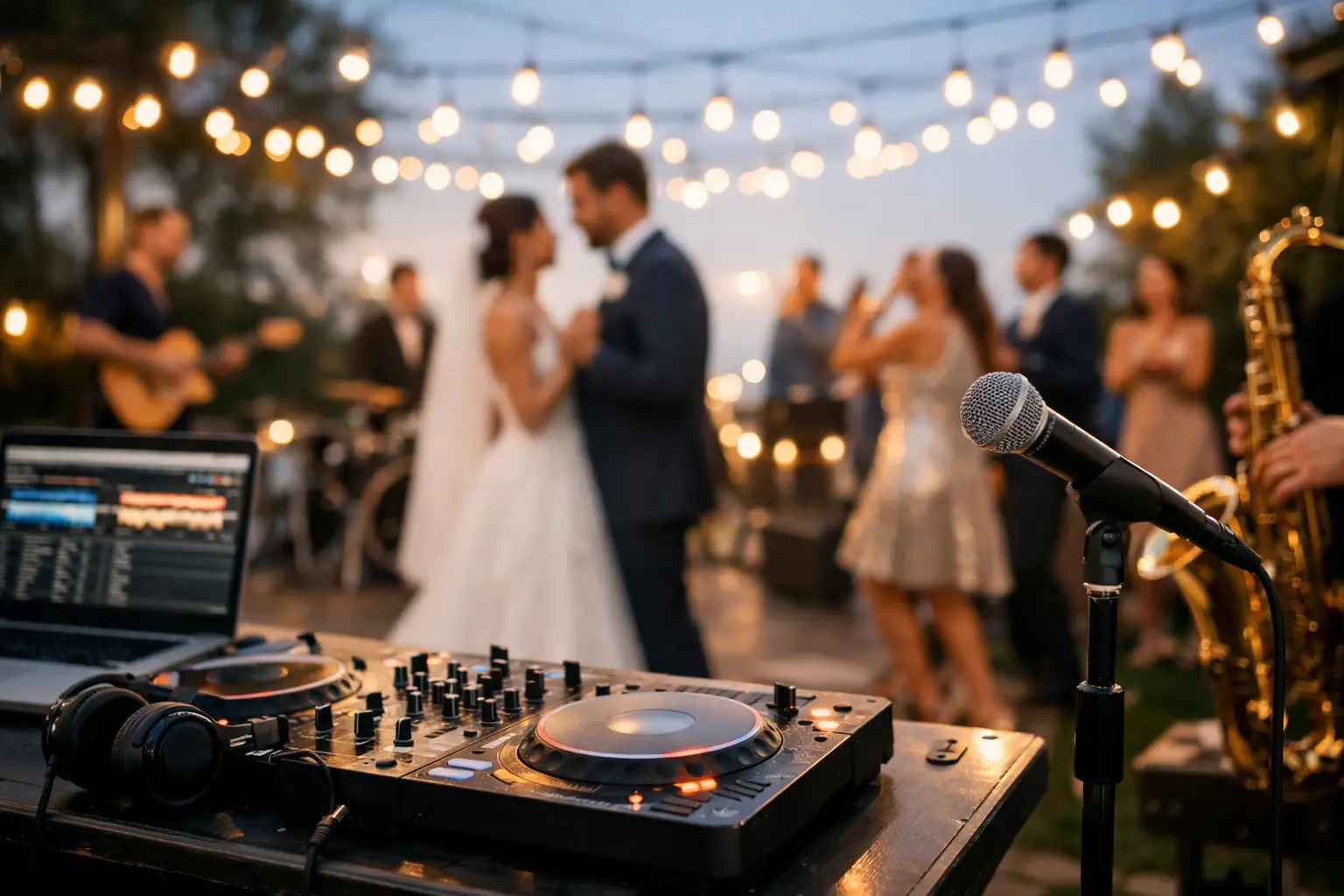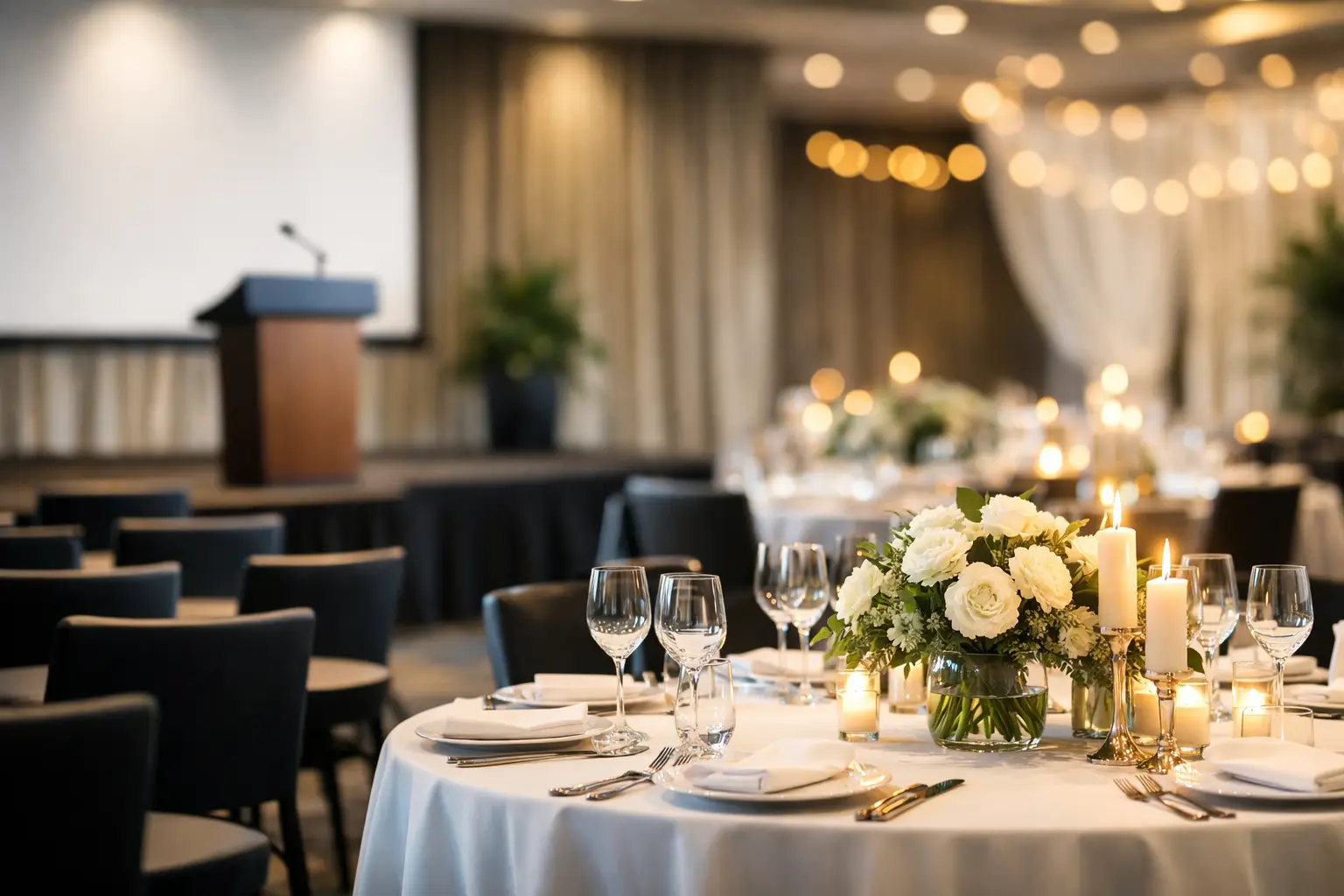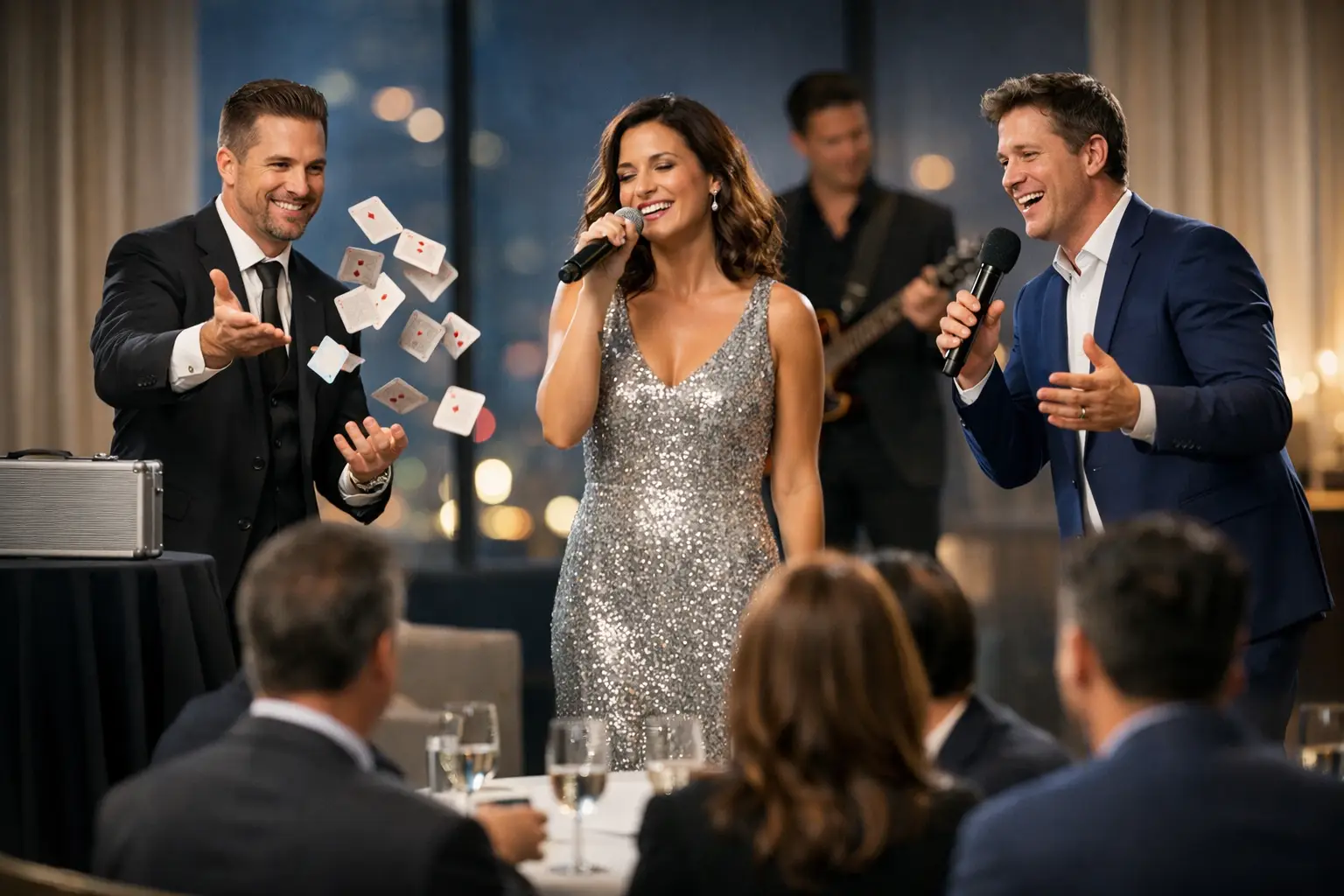
Party Event Services BirminghamParty Event Services Birmingham
Corporate Event Entertainers for Better Events

By

Corporate Event Entertainers for Better Events

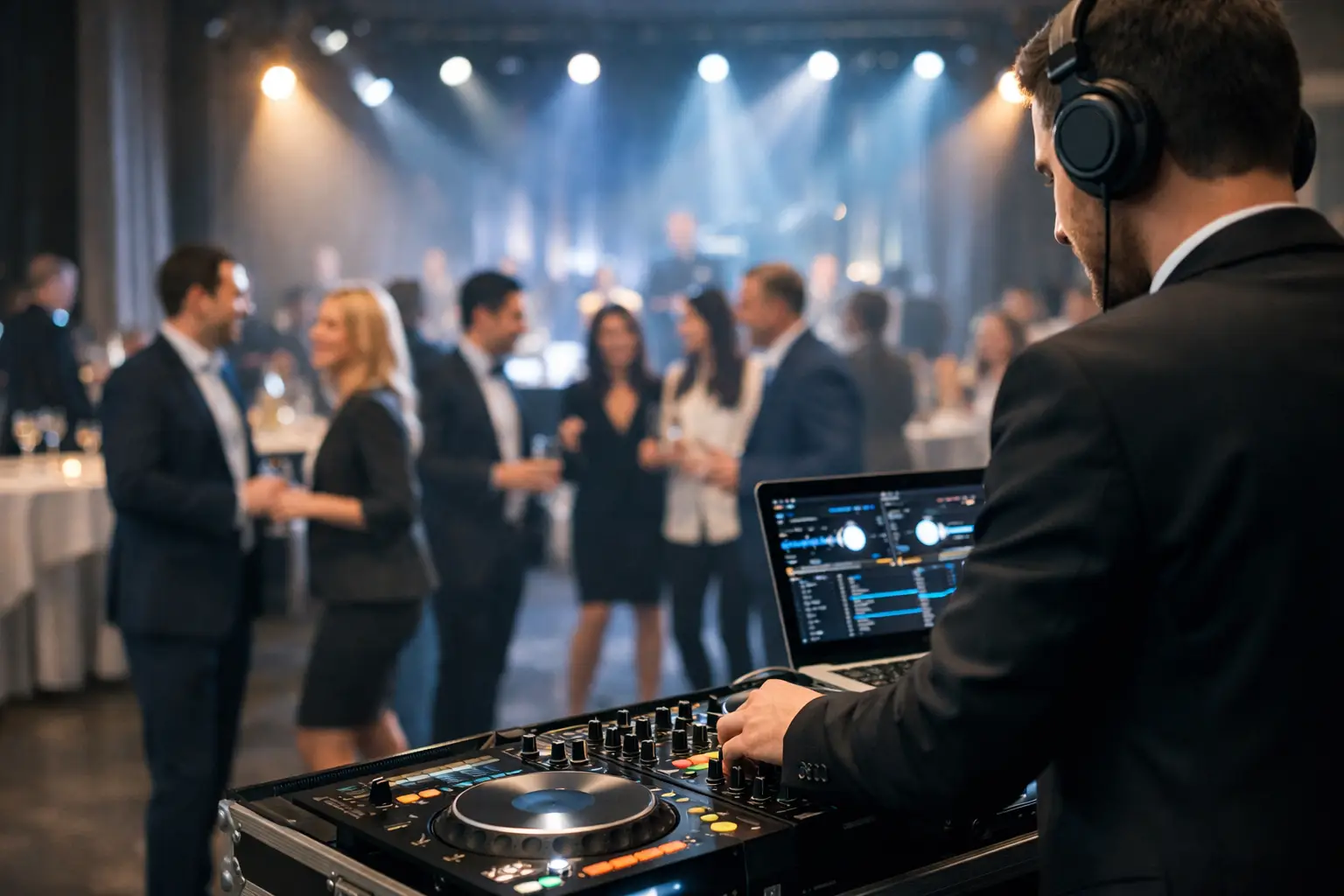
A corporate event can have the right venue, catering and guest list, then still lose momentum when the room feels flat after the formalities. The right corporate event entertainers change that. They create a professional atmosphere, give guests a reason to stay longer and help a company event feel like a genuine occasion rather than another date in the diary.

For organisers, entertainment is not simply a finishing touch. It affects arrival, networking, awards presentations, the transition into the evening and the final impression guests take away. A well-planned DJ, sound and lighting setup can support every part of the schedule without making the event feel overproduced.

What corporate event entertainers should deliver

Business events come in many forms: awards evenings, Christmas parties, product launches, team celebrations, charity dinners, conferences and client hospitality. The entertainment needs to fit the purpose, the audience and the venue. A packed dance floor may be the priority at a staff party, while an awards evening may need clear microphone support, walk-on music and subtle lighting before the evening entertainment begins.

A professional supplier should understand that timing matters as much as song choice. Guests need to hear speeches clearly. Award winners need confident entrance music. Background music should allow people to talk, particularly during a drinks reception or meal. Later, when the formal programme is finished, the music and lighting should lift the room without taking over it.

This is why a corporate DJ is often a practical choice for a wide range of events. They can tailor music to a mixed-age audience, take the lead from the organiser’s brief and adjust the pace as the evening develops. Unlike a fixed set from a band or act, a DJ can respond to the room in real time.

Start with the event outcome, not the act

Before booking entertainment, decide what a successful event looks like. Is the aim to reward staff, impress clients, raise money for a cause or bring teams together after a busy year? That answer will shape the style, scale and budget.

For a formal dinner, polished background music, discreet uplighting and a quality sound system may be more valuable in the early part of the evening than a large production. For a company Christmas party, a party DJ, dance floor and photo booth can create the interaction people expect. A product launch may call for branded colours, clear presentation audio and a dramatic entrance moment.

It also depends on who will be attending. A younger office team may enjoy current chart music alongside dance classics, whereas a client event usually benefits from a broader, more measured soundtrack. The best approach is to give your entertainer a clear idea of your guests, any must-play music and any styles to avoid. That gives them direction while leaving room for professional judgement on the night.

Build the atmosphere around the whole room

Entertainment works better when it is planned alongside the event styling. Lighting, décor and guest interaction all influence whether the room feels inviting. Booking these elements through separate suppliers can work, but it creates more delivery times, more contacts and more opportunities for details to be missed.

A coordinated entertainment and event hire package keeps the practical side simpler. A DJ setup can be matched with LED uplighting in company colours, an LED dance floor, a photo booth, illuminated letters or a backdrop that suits the event theme. The result is a more consistent look in photographs and a room that feels deliberately planned from the moment guests enter.

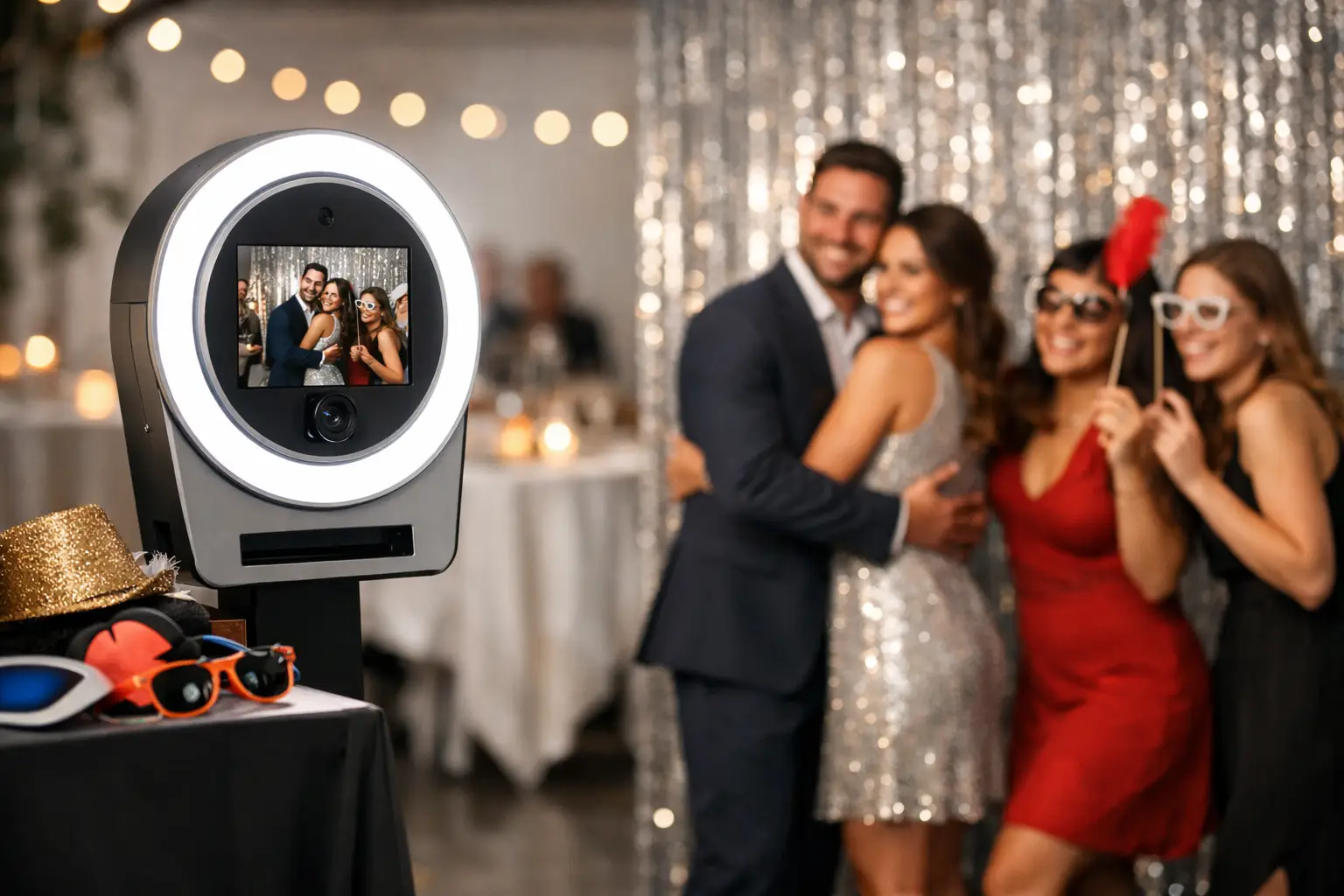
Photo booths are especially useful for staff parties, award evenings and fundraising events because they give guests something to do before the dance floor fills. They also create informal photographs that teams are likely to share afterwards. For more formal occasions, use the booth and décor carefully so they add personality without competing with the main stage or presentation area.

Check the operational details early

A venue-ready supplier protects the organiser from last-minute problems. Before confirming your booking, ask what space is required, when equipment will be delivered and set up, what power is needed and whether the venue has noise restrictions or access limitations. Hotels, conference venues and city-centre locations often have specific loading arrangements and finish times.

Insurance and equipment standards matter too. Venues may ask for public liability insurance and evidence that electrical equipment has been PAT tested before allowing a supplier on site. These are not minor admin points. If paperwork is missing, a venue can delay or refuse a setup, placing unnecessary pressure on the event organiser.

At Mobile Disco Hire Birmingham, our equipment is PAT tested and our service is backed by £5 million public liability insurance. With more than 20 years of experience, we understand the importance of arriving prepared, working with venue teams and keeping the setup professional from start to finish.

It is also worth confirming whether microphones are included and what type is suitable. A handheld wireless microphone is often ideal for speeches and awards, while lapel microphones may be better for a presenter who needs both hands free. If there are video clips, presentations or remote speakers, raise this at the enquiry stage rather than assuming the venue’s system will cover it.

Why professional sound and lighting make a difference

Corporate entertainment should look and sound clean. A poorly placed speaker, untidy cabling or lighting that is too bright during dinner can undermine an otherwise smart event. Professional-grade sound and lighting equipment, correctly positioned and operated, makes the experience more comfortable for guests and more credible for the host company.

Lighting is particularly flexible. Warm uplighting can make a plain function room feel more welcoming during a meal. Branded colour schemes reinforce a company identity at a launch or awards night. Once the party begins, dance floor lighting can become more energetic while the rest of the room remains usable for guests who want to chat.

There is a trade-off to consider. More equipment can create greater visual impact, but it requires space, access and budget. A smaller venue may benefit more from tasteful uplighting and a compact DJ setup than from a large lighting rig. A site visit or a conversation with an experienced supplier can prevent paying for features the room cannot accommodate.

Plan the running order with your entertainer

A short event brief is one of the most valuable things an organiser can provide. Include guest arrival time, food service, speeches, awards, any special announcements, the expected finish and the point at which you want the evening party to begin. This allows your entertainer to support each transition rather than reacting at the last second.

For award ceremonies, prepare a list of winners and walk-on tracks in advance. Agree whether the DJ should announce names, simply play the music or work alongside a host. For a company party, discuss whether requests are welcome and whether there are genres or explicit tracks that should be excluded. Clear expectations avoid awkward moments and help keep the music appropriate for the audience.

Do not overlook volume. The right level changes through the evening. Networking and dining need conversation-friendly background music. Speeches require clarity. The dance floor needs energy, but guests should not have to leave the room to speak to colleagues. An experienced DJ reads those changes and works within the venue’s sound limits.

Make booking easier with one coordinated supplier

When entertainment, lighting, dance floors, photo booths and décor are all arranged separately, even a straightforward corporate event can become difficult to manage. You may be chasing delivery slots, checking colour choices with different companies and explaining the same venue access details several times.

Using one established supplier for several elements reduces that admin. It also makes it easier to create a package that suits your event rather than choosing items in isolation. You can combine a corporate DJ with uplighting, a photo booth and an LED dance floor for a lively staff celebration, or keep the look more refined with presentation audio, subtle lighting and a smart backdrop.

For organisers in Birmingham, Coventry, Wolverhampton, Solihull and across the Midlands, this approach brings practical value as well as visual impact. Faster communication, fewer suppliers to coordinate and a team that understands the full event setup can make a real difference when the schedule is tight.

A strong corporate event does not need to be complicated, but it does need to feel considered. Choose entertainment that supports your guests, your venue and your business message, then give your supplier a clear brief early. That leaves you free to welcome guests and enjoy an event that looks every bit as professional as the company hosting it.
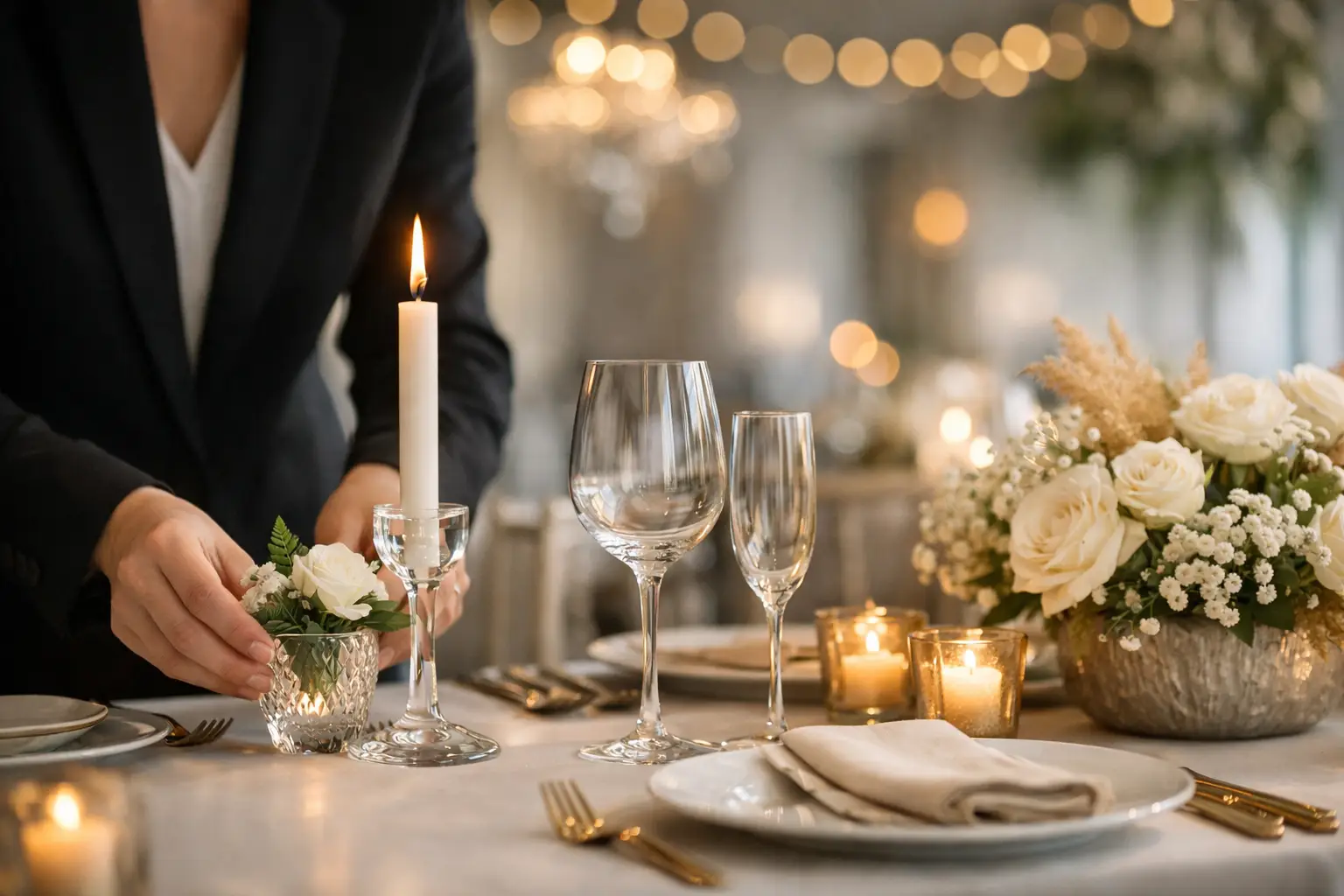
Event Styling That Makes Every Detail Work

By

Event Styling That Makes Every Detail Work

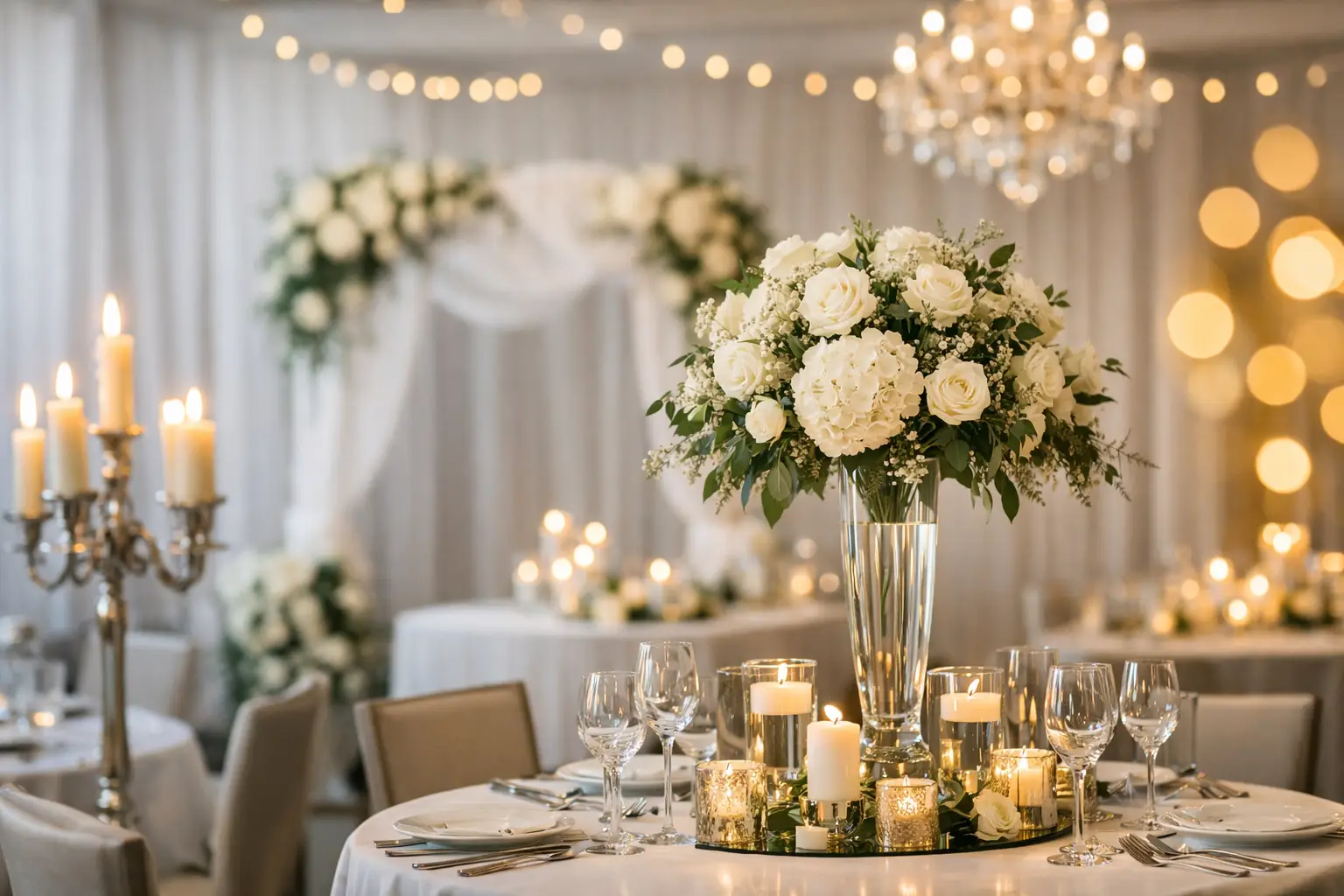
A venue can have good food, a great guest list and a packed dance floor, yet still feel unfinished if the room has not been considered as a whole. Professional event styling is what turns a function room, hotel suite or blank hall into a setting people remember from the moment they arrive. It is not simply a collection of decorations. It is the considered combination of lighting, furniture, flowers, balloons, table details and focal points that gives an occasion its own atmosphere.

For weddings, parties and corporate functions across Birmingham and the Midlands, the best results usually come from planning the room around the way the event will actually run. Guests need a clear welcome, somewhere attractive for photographs, comfortable seating, a space to celebrate and a dance floor that draws people in later in the evening. When the styling supports all of those moments, the event feels polished rather than overdone.

What event styling should achieve

Good styling gives a room purpose before the first guest has picked up a drink. At a wedding, it may create a romantic ceremony backdrop, make the top table feel special and give the evening reception a completely different energy. For a milestone birthday, it could be a bold colour scheme, an illuminated number display and a photo booth area that encourages everyone to get involved. At a corporate event, it may mean clean branding, practical lighting and a professional presentation that reflects well on the organiser.

The key is consistency. A white LED dance floor, matching chair covers, uplighting and illuminated love letters can work beautifully together because they share a visual language. The same room can look disjointed if each item has been hired separately without considering colour temperature, scale or placement.

Styling also needs to be practical. Table centres must not block conversation. A backdrop needs enough space for photographs without obstructing access. Lighting should create atmosphere without leaving dining areas too dark. The most effective designs look effortless because those operational details have been dealt with in advance.

Start with the room, not a Pinterest board

Inspiration images are useful, but they rarely show the room dimensions, ceiling height, wall colours or access restrictions that make a real difference. Before selecting décor, consider the venue itself. Is it a modern hotel ballroom with neutral walls, a village hall with a large open floor, or a restaurant private room with limited space? The answer should shape the styling choices.

A large room can take statement features such as an LED backdrop, throne chairs, large balloon displays or oversized illuminated letters. In a smaller venue, one strong focal point and carefully positioned uplighting may create more impact than filling every corner. More décor is not always better. A crowded room can make guests feel restricted and can leave little space for the entertainment that keeps the party moving.

Think about the guest journey as well. The entrance is the first opportunity to establish the look. The top table, cake table or stage is often the main photographic focus. Finally, the dance floor needs to look inviting once the DJ begins. Planning these three areas first gives the room a clear structure.

Choose a focal point guests will notice

Every event benefits from one area that makes people stop, take photographs and understand the occasion straight away. For weddings, this may be illuminated LOVE letters, Mr & Mrs letters, a flower wall or a styled top table. For birthdays, it could be a throne chair with balloon décor, illuminated numbers or a themed backdrop. Corporate events may favour a branded backdrop, colour-matched uplighting or a neatly dressed presentation area.

A focal point does not need to be expensive to work well. It needs to be placed where guests can see it and where it will appear in photographs. It is worth checking in advance whether the venue has a suitable wall, power supply and enough clearance around the display. These small details prevent rushed changes on the day.

Build the colour scheme through light and texture

Colour is one of the quickest ways to make an event feel coordinated. Start with two main tones and one accent, rather than trying to include every shade from an inspiration board. For example, ivory and gold with soft blush accents suits many wedding venues. Black, silver and blue can give a birthday or awards evening a sharper look. A company colour can be used sparingly for corporate events without making the room feel like an exhibition stand.

Uplighting is especially useful because it changes the feel of a venue without taking up valuable floor space. Soft warm white can make a room feel elegant, while pink, purple, blue or amber can bring a stronger party atmosphere. It can also make plain walls, pillars and alcoves part of the design.

Texture prevents a colour scheme from looking flat. Chair covers and sashes, fresh or artificial wedding flowers, draped backdrops, metallic letters and a glossy LED dance floor all reflect light differently. This is why a mostly white wedding setup can still look rich and interesting, while a room full of single-colour items may feel plain.

There is a trade-off, though. Strong coloured uplighting can look excellent in photographs and during the evening disco, but may not flatter food, skin tones or delicate florals during a daytime meal. A good plan allows the lighting to change as the event moves from reception to dinner and then into the party.

Make entertainment part of the styling plan

The dance floor, DJ setup and lighting are often treated as separate from the décor. In reality, they are a major part of what guests will see for much of the evening. A professional mobile disco does more than play music. Its sound, lighting and placement influence the atmosphere, the photographs and how easily people gather on the dance floor.

An LED dance floor gives the evening area a clear centre and works particularly well with love letters, a backdrop and uplighting. It is a strong option for weddings and formal celebrations, but it needs suitable space and a level surface. In a compact venue, a traditional dance area with carefully positioned lighting may be the more sensible choice.

Ask where the DJ will be positioned before finalising room décor. The setup should be visible enough to create energy, yet not dominate the dining space. Cabling, power requirements and access routes must also be considered. Established suppliers should be able to discuss venue requirements clearly, provide PAT-tested equipment and hold appropriate public liability insurance. Those details may not appear in the finished photographs, but they matter to venues and give organisers confidence.

Why one coordinated supplier can save time

Hiring a DJ, dance floor, photo booth, chair covers, flowers, letters and balloons from separate companies can work, but it creates more delivery times, deposits, installation plans and points of contact. If one supplier arrives late or needs a different area of the room, the rest of the setup can be affected.

Using one experienced provider for entertainment and décor makes coordination far easier. The same team can plan how the dance floor sits with the DJ, where the photo booth will work best, which lighting complements the backdrop and how the room can be dressed without blocking access. It also reduces the risk of colour mismatches and duplicated equipment.

Mobile Disco Hire Birmingham provides this joined-up approach for weddings, private parties and corporate occasions, combining professional DJ entertainment with styling products including LED dance floors, uplighting, photo booths, illuminated letters, chair covers, flowers, balloons, sweet carts and throne chairs. With more than 20 years of experience, the team can also arrange a showroom appointment for customers who want to see selected event products before making decisions.

Plan early, then keep the brief clear

Popular dates, particularly Saturdays in wedding season and December party dates, can limit availability for the items that make the biggest visual difference. Booking early gives you more choice and allows time to discuss the venue layout properly. It is particularly worthwhile if you want several items installed together, such as a dance floor, backdrop, letters, DJ setup and booth.

When requesting a quote, provide the event date, venue, approximate guest number, room access time and the look you are aiming for. Photographs of the venue are useful, as are rough room plans if available. Be honest about the budget too. A good supplier can suggest where to invest for maximum impact, rather than adding items that will not be noticed.

The most memorable rooms are rarely the ones with the most decorations. They are the ones where the lighting feels right, the key features are in the right place and every detail supports the celebration. Give your event styling a clear purpose, and your guests will feel the difference before the music even starts.

How to Hire Photo Booths for a Brilliant Event

By

How to Hire Photo Booths for a Brilliant Event

A photo booth can be the busiest corner of the room or an expensive decoration nobody uses. Knowing how to hire photo booths properly means matching the booth to your guests, venue and running order, rather than simply choosing the cheapest package with a few props included.

For weddings, birthdays, corporate functions and school celebrations, a good booth gives guests something to do between key moments, creates instant keepsakes and captures the people who may never make it into the formal photographs. The right hire should feel easy for you as well: delivered, set up safely, staffed where needed and collected without adding another job to your event list.

Start with the event, not the booth

Before comparing packages, decide what job you want the photo booth to do. At a wedding reception, it may keep guests entertained while the evening buffet is served or while the newlyweds take a breather after the first dance. For a birthday party, it can provide a focal point from the moment guests arrive. At a corporate event, it may support branding, encourage networking or give staff a memento to take home.

Guest numbers matter, but they are not the only factor. A party of 60 with a lively crowd can use a booth more than a formal dinner for 150. Think about the age range too. Open-air booths tend to work well for large groups and guests who want to see what is happening. Enclosed booths offer more privacy and a classic experience, but may limit how many people can fit into each photograph.

Also consider the style of the occasion. A smart wedding at a hotel may suit a clean white, black or rustic-looking booth with a coordinated backdrop. A colourful birthday party may call for an LED surround, themed props and bold print designs. The booth should add to the room, not look like an afterthought in the corner.

How to hire photo booths that fit your venue

Space is one of the first practical checks. Ask the supplier for the booth footprint, height and the space needed for guests to queue comfortably. A booth may technically fit into a small area, but if it blocks access to the bar, fire exit, toilets or dance floor, the venue may refuse the layout.

The best position is usually near the party atmosphere but not directly beside the speakers. Guests need to hear the attendant, if one is present, and the camera needs steady lighting. Placing the booth close to the dance floor can work particularly well when it opens after the first dance, but leave enough room for queues and groups gathering around it.

Check access as carefully as the available floor space. Some venues have stairs, narrow corridors, low ceilings, limited parking or strict load-in times. Tell the supplier about these details before booking. A professional team will plan delivery around venue restrictions rather than discovering a problem on the day.

For venues across Birmingham and the Midlands, it is also sensible to ask whether the equipment is PAT tested and whether the supplier holds public liability insurance. Many established venues request these documents before allowing entertainment or hired equipment on site. Sorting this out early avoids last-minute emails and unnecessary pressure in the week before your event.

Choose the right photo booth format

There is no single best type of photo booth. The right option depends on the room, your visual priorities and the kind of guest interaction you want.

An enclosed booth is a familiar choice for smaller groups and guests who enjoy posing away from the crowd. It creates a private, traditional booth feel and often works well at evening receptions. The trade-off is that it takes up more space and may not suit very large group shots.

An open-air booth is more flexible. It normally uses a backdrop with a camera and screen positioned in front, allowing families, friendship groups and work teams to fit into one picture. It is often the better choice in a larger function room or for corporate events where group participation matters.

Magic mirrors and selfie mirrors bring a more polished, interactive look. Guests can see themselves full-length, add messages on screen and pose in front of a backdrop. They work especially well where presentation matters, although you should still ask what is included in the package rather than assuming every mirror comes with prints, props, an attendant and a guest book.

For a wedding or formal celebration, an LED backdrop, flower wall or coordinated décor can make the booth area look part of the wider styling. Booking those elements from one supplier can reduce delivery coordination and help the colours and finish look consistent across the room.

Look beyond the headline price

A low starting price can be useful, but it rarely tells you what the final experience will be. Ask for a clear written breakdown of the hire period, delivery, set-up, collection, staffing, prints, digital images, props, backdrop and any travel charge. You should know exactly what is being supplied before paying a deposit.

The hire duration deserves particular attention. If a package includes three hours, find out when those hours begin. Does the clock start when the booth is set up, when guests arrive, or when the booth opens? For most evening events, it is better to have the booth set up in advance and open at the point the party starts properly, rather than using an hour of hire while guests are still eating.

Unlimited prints are popular, but clarify what that means. Does every person in the photograph receive a copy, or is there one print per visit? Can the print layout be personalised with names, a date, company logo or wedding colour scheme? These small details make a noticeable difference to the keepsake guests take home.

Digital copies are equally worth checking. Ask how and when you receive the gallery, whether images are supplied in good quality, and if guests can receive photographs by text or email during the event. For a company function, establish who approves branding and whether the supplier can produce a design that follows your artwork requirements.

Check who is running the booth

Some photo booth hires are delivered and left for guests to use. Others include a trained attendant throughout the event. Neither is automatically wrong, but an attended booth is often a safer choice for busy weddings, corporate events and large parties.

An attendant can encourage guests to use the booth, explain the screen, replenish print paper, keep props tidy and deal with minor issues straight away. This is particularly valuable when the host does not want to spend the night troubleshooting equipment or asking a family member to manage a queue.

Ask the supplier what happens if there is a technical problem. Professional equipment can still have faults, so the question is whether there is a practical backup plan. An experienced event hire company should be able to explain its set-up process, testing procedures and on-the-night support in straightforward terms.

It is also reasonable to ask for recent examples of the booth style, print templates and backdrops you are considering. A stock image can show the general idea, but actual event photographs give a better sense of finish, lighting and how the booth looks in a real venue.

Plan the timing around your entertainment

Photo booths work best when they support the event flow. At a wedding, opening the booth after the wedding breakfast or after the first dance usually produces stronger use than running it during speeches. Guests are more relaxed, dressed up and ready to have fun.

For corporate events, consider opening it during arrival drinks, then again after dinner or awards. This gives guests two natural opportunities to take part without pulling attention away from presentations. At a birthday, keeping it open during the main disco period often works well, especially if the booth is placed within sight of the dance floor.

If you are hiring a DJ, booth timing should be discussed alongside the music plan. The DJ can make a short announcement when the booth opens, encourage guests to use it and maintain the party atmosphere around it. This is one reason a combined entertainment and event supplier can be easier to manage than several separate bookings.

Make it personal, but keep it usable

Personalisation turns a standard booth into part of your event. A wedding print can feature your names and date. A birthday layout can use a favourite colour or milestone number. A corporate template can include a logo, event name and campaign message.

Props should match the audience. A small selection of clean, durable and amusing props is usually more effective than a cluttered box of items that guests ignore. For corporate bookings, branded signs or themed props can work well, provided they suit the company culture. For weddings, a guest book beside the booth gives people a place to leave a copy of their print and a handwritten message.

Do not overcomplicate the design. High-contrast text, a clear date and enough room for the photograph will age better than a print crowded with graphics. The same principle applies to backdrops: choose one that photographs well under booth lighting and does not compete with guests’ outfits.

Book early and confirm the details in writing

Popular Saturdays, bank holiday weekends and December dates can book quickly, particularly when you need a booth alongside a DJ, LED dance floor or venue styling. Once your date and venue are confirmed, secure the key entertainment suppliers rather than waiting until the final month.

Before the event, confirm the arrival time, set-up location, contact person, parking arrangements, power access and booth opening time. Keep the venue informed too. If you are planning several hire items, Mobile Disco Hire Birmingham can coordinate photo booth hire with DJs, lighting and venue décor, with showroom appointments available for customers who want to view options before booking.

The best photo booth is not necessarily the largest or the one with the longest list of extras. It is the one that suits your room, runs reliably and gives your guests a reason to gather, laugh and leave with a photograph they will actually keep.

How to Hire Compliant DJs for Your Event

By

How to Hire Compliant DJs for Your Event

A venue can love your playlist, your chosen DJ and the look of your event, then still refuse access on the day because the paperwork is missing. It happens more often than people expect. Knowing how to hire compliant DJs means checking more than music taste and price. You need a supplier who can arrive prepared, satisfy venue rules and perform with equipment that is safe, insured and suitable for the space.

For weddings, birthday parties and corporate functions, this protects your plans as much as it protects the venue. A professional DJ should make the entertainment feel easy. Compliance is one of the practical reasons that happens.

What does a compliant DJ mean?

There is no single certificate called “DJ compliance”. Instead, it means the DJ or mobile disco business can provide the documents and working practices your venue, event organiser or insurer may require. The exact requirements depend on the venue, guest numbers, type of event and equipment being used.

At a minimum, most established venues will want to see public liability insurance and evidence that electrical equipment has been checked. Some will also ask for a risk assessment, method statement, proof of music licensing arrangements or details of the DJ’s set-up and arrival times.

A compliant DJ is not necessarily the most expensive option. However, a very low quote can become costly if your venue later demands documents the supplier cannot provide, leaving you to find replacement entertainment at short notice.

How to hire compliant DJs without last-minute problems

Start by asking your venue for its entertainment supplier policy before you book. Do this early, ideally before paying a deposit. Hotels, wedding venues, community halls and corporate spaces can all have different conditions, particularly where access, sound limits and insurance are concerned.

Then ask the DJ direct, in writing, whether they can provide the relevant documentation. A professional supplier should be used to the question and able to respond clearly. You should not have to chase vague promises such as “it will be fine” or “we have done loads of venues before”.

The key is matching the DJ’s paperwork and set-up to your specific booking. A small birthday party in a private room may need very little administration. A corporate awards evening in a city-centre hotel, with lighting, dance floor hire and a formal production schedule, often needs more detail.

Check public liability insurance

Public liability insurance is one of the first things venues ask for. It covers claims relating to injury or property damage arising from the DJ’s work. Many venues specify a minimum level of cover, commonly £5 million, although this can vary.

Ask for a current insurance certificate and check that the policy is active on the date of your event. It should identify the business or performer providing the service. Do not assume a DJ working under a friend’s business name is covered unless this is confirmed.

Insurance does not mean something will go wrong. It means that a supplier has taken a basic professional responsibility seriously. It also reassures venues that they are dealing with a business accustomed to working in public spaces.

Ask for PAT testing evidence

Portable Appliance Testing, usually referred to as PAT testing, concerns the safety checks carried out on portable electrical equipment. Speakers, lighting, controllers, power leads and effects machines all need to be properly maintained and safe to use.

Some venues require a current PAT certificate or test report for every item brought in. Others simply ask for evidence that equipment is tested. Your venue will decide what it accepts, so pass its requirement on to your DJ rather than relying on assumptions.

A proper mobile disco should use professional-grade equipment, safe cabling and sensible power management. PAT documentation matters, but so does the way the equipment is installed. Loose cables across walkways, overloaded extension leads or speakers placed where guests can knock them are warning signs, even where paperwork is available.

Clarify music licensing responsibilities

Music licensing is often misunderstood. In many event spaces, the venue holds the necessary licence for music played to guests. In other cases, responsibility may sit with the organiser or depend on the nature of the event and the music source.

Do not simply assume that a DJ’s fee includes every licence required for public performance. Ask the venue what is covered by its own arrangements, then ask your DJ how they source and use their music. A professional should be able to explain their position without making claims they cannot support.

This is especially relevant for corporate events, ticketed functions and unusual locations. If the venue has no existing licence, resolve the question before confirming entertainment, not during set-up.

Make sure the DJ can work with your venue

Compliance is not only paperwork. A DJ can be fully insured and have tested equipment, yet still be a poor fit for the room. Venue rules around access, loading, parking, noise and finish times can affect the success of the night.

Ask whether the DJ has allowed enough time to load in, set up and sound-check. A polished set-up cannot be rushed through a busy entrance ten minutes before guests arrive. If your event includes room turnarounds, speeches, a first dance or a surprise entrance, the DJ needs a clear running order as well.

Sound limiters deserve particular attention. Some wedding venues and hotels use monitoring equipment that cuts the power if music exceeds a set level. A capable DJ will know how to manage sound levels, position speakers correctly and keep the dancefloor lively without fighting the room. The answer is not always bigger speakers or louder bass. In a restricted venue, experience and control matter more.

If your venue needs a risk assessment and method statement, ask for these in advance. A risk assessment identifies foreseeable issues, such as cables, trip hazards and equipment placement. A method statement explains how the supplier will work safely during loading, installation and pack-down. These documents are particularly common at corporate venues, council-owned buildings and larger events.

Look beyond documents when choosing your DJ

Paperwork gets the DJ through the door. Performance, presentation and communication determine how the event feels. Once compliance is covered, assess whether the supplier understands your crowd, venue and plans for the evening.

Ask what is included in the quote. Does it cover the DJ, sound system, lighting, set-up time and collection? Are travel, parking, late finishes or additional equipment charged separately? A clear written quotation makes comparisons far easier and avoids a surprise bill after the event.

Also discuss music properly. You do not need to write every song, but a DJ should know your must-play tracks, music to avoid and the balance you want. A wedding may need background music for the meal, a confident announcement for the first dance and a full party set later on. A corporate event may need clean edits, walk-on music and precise cues. These are different jobs, even if both involve a dancefloor.

It is also sensible to ask about backup arrangements. Equipment can fail and traffic can cause delays. An experienced mobile DJ should have contingency plans, spare essentials where practical and a reliable way to communicate if there is an issue.

One supplier can simplify a compliant event set-up

When your event needs more than music, coordination becomes part of compliance. A DJ, LED dance floor, uplighting, photo booth and illuminated letters all require access, power and safe placement. Booking each element separately can mean several arrival times, several sets of documents and several people trying to use the same loading bay.

Using one established supplier for entertainment and event styling can make the process more straightforward. There is one point of contact, a more coordinated installation and fewer opportunities for conflicting plans. It is particularly useful where your venue has a narrow set-up window or limited floor space.

Mobile Disco Hire Birmingham has more than 20 years of event experience, PAT-tested equipment and £5 million public liability insurance, helping couples, party hosts and corporate organisers meet typical venue requirements with confidence. For clients who want to see equipment and styling options before booking, appointments can also be arranged at the event and entertainment showroom.

Questions to ask before paying a deposit

Before you confirm the booking, get clear answers to these points:

  • Can you provide current public liability insurance, and what level of cover do you hold?
  • Is your electrical equipment PAT tested, and can you send the relevant evidence?
  • Can you provide a risk assessment and method statement if the venue asks for them?
  • Have you checked the venue’s access, sound limiter and finish-time rules?
  • What exactly is included in the quotation, including set-up, travel and late finishes?
  • What is your backup plan for key equipment or unavoidable delays?

Keep the answers alongside your booking confirmation and send the required documents to the venue in good time. This gives the venue manager a chance to raise any issue while there is still time to solve it.

The best DJ booking feels uncomplicated because the preparation has been handled properly. Choose someone who can show the right credentials, respect your venue’s rules and still deliver the music, atmosphere and professional finish your guests will remember.

Corporate DJ Guide for Successful Midlands Events

By

Corporate DJ Guide for Successful Midlands Events

The point when a corporate event changes from polite networking to a proper celebration is rarely accidental. It comes from reading the room, getting the sound right and choosing music that suits the people in front of the DJ. This corporate DJ guide is for organisers who need more than a playlist: they need dependable entertainment that reflects their company, works with the venue and gives guests a reason to stay.

Whether you are arranging an awards evening, staff party, product launch, charity dinner or Christmas celebration, the DJ should support the event’s purpose. A packed dance floor is a good sign, but it is not the only measure of success. Timing, presentation, volume control and coordination with the venue all matter just as much.

Start with the outcome, not the music genre

Before requesting songs, decide what the event needs to achieve. A Christmas party may need high-energy floor-fillers after dinner. An awards night may need walk-on music, stings for winners and an experienced DJ who can keep transitions moving without taking over the microphone. A client reception might need a relaxed soundtrack that allows conversation, followed by a more upbeat finish once formalities are complete.

This gives your DJ a useful brief. Share the guest profile, expected numbers, age range, dress code, running order and the feel you want people to remember. A team of 80 from one office may happily respond to familiar singalongs. A mixed audience of clients, colleagues and senior leadership can call for a broader, more measured approach.

It also helps to explain what you do not want. Some companies prefer clean versions of songs, no explicit lyrics, limited microphone chat or no music during dining. These are sensible requirements, not awkward requests. A professional corporate DJ will use them to shape the evening properly.

What to look for in a corporate DJ

Corporate events have less room for guesswork than a casual party. Your supplier should be clear about what is included, how they work with venues and what happens if timings change. Experience matters because a DJ may need to adapt when speeches run late, a room is slower to fill than planned or the organiser needs an unplanned announcement.

Ask about professional sound and lighting equipment, as well as the practical standards behind it. PAT-tested equipment and £5 million public liability insurance are not glamorous details, but many venues require them before allowing suppliers on site. A company that can provide the necessary information promptly makes life easier for the organiser and the venue team.

Presentation is worth considering too. For a formal dinner or brand event, the DJ setup should look tidy and appropriate in the room. Visible cables, unsuitable lighting effects and a cluttered booth can undermine an otherwise well-dressed event. Discuss the available setup in advance, particularly where the stage area will be photographed or guests will be seated close by.

Ask how they handle requests

Guest requests can bring a dance floor to life, but they need sensible management. A good DJ welcomes suitable requests while protecting the direction of the night. Playing every request immediately can empty the floor as quickly as it fills it.

Give the DJ a short list of must-play songs and a clear do-not-play list, then allow them room to respond to the crowd. This balance usually produces better results than attempting to programme every track in advance. The people dancing at 10.30 pm should influence what happens next.

Plan the room as well as the playlist

Music is only one part of the atmosphere. Lighting, dance floor space and the location of the DJ can determine whether guests feel invited to take part. A DJ positioned behind a pillar or in a side room will struggle to create the same energy as one with a clear presence near the main gathering area.

For a dinner dance, think about the change from tables and speeches to evening entertainment. Uplighting can carry company colours around the room and give a plain function suite more character. An LED dance floor creates a visual focal point, while an LED backdrop can frame the entertainment area and look effective in photographs. These additions are not essential for every event, but they can make a marked difference where the venue is large, neutral or light on built-in features.

Do not assume more equipment is always better. A compact setup may be the right choice for a smaller private dining room, particularly where guests are seated close to the entertainment. In a large hotel ballroom, a bigger sound and lighting package may be needed to avoid the room feeling flat. Your DJ should ask about the venue, access, room dimensions and guest count before recommending an option.

Keep sound levels under control

Corporate guests often want to talk before they want to dance. During arrivals, dinner and networking, music should add atmosphere without making conversation difficult. Later in the evening, the volume can build as the dance floor grows.

Many venues have sound limiters, particularly hotels and city-centre function rooms. Mention this at the enquiry stage and make sure the DJ is prepared to work within the venue’s restrictions. A professional approach is not about playing quietly all night. It is about delivering a full, enjoyable sound without risking an abrupt power cut or a complaint from the duty manager.

Build a realistic running order

A strong event schedule gives the DJ time to set up, test equipment and coordinate with venue staff before guests enter the room. Do not plan the first speech for the exact moment the DJ is due to arrive. Access, loading, lifts and venue procedures can all affect setup time.

The DJ should receive a final running order before the event, including meal service, speeches, awards, raffles, presentations and any planned surprise moments. If walk-on tracks or award stings are needed, provide names in the right order and nominate one person who can confirm changes on the night.

For awards ceremonies, small details make a big difference. Brief music for each winner can maintain pace, but it should not drown out names or create confusion on stage. For a staff party, it may be better to keep formal content short and protect a decent block of uninterrupted dancing afterwards. Guests are less likely to commit to the floor if they expect another announcement every ten minutes.

One supplier can reduce the event admin

Booking a DJ, photo booth, dance floor, room lighting and décor from separate providers can work, but it creates more delivery times, more contacts and more opportunities for crossed wires. For busy office managers, HR teams and event organisers, a coordinated package can be the simpler choice.

A photo booth gives guests something to do before dancing begins and provides branded or personal keepsakes. Uplighting, LED backdrops and illuminated letters can make a venue feel tailored to the occasion. If you are organising a company anniversary, awards evening or festive party, it is useful when the entertainment and styling are planned together rather than added as an afterthought.

Mobile Disco Hire Birmingham has more than 20 years of event experience and can supply corporate DJs alongside mobile disco equipment, photo booths, LED dance floors, uplighting and venue styling. For organisers who want to see options before booking, appointments can also be arranged at the event and entertainment showroom.

Confirm the practical details before you book

The best corporate events feel relaxed to guests because the work has been done beforehand. Confirm arrival and collection times, parking or loading arrangements, power availability, set-up space, venue contacts and the finish time. If the event is in Birmingham, Coventry, Wolverhampton, Solihull or elsewhere across the Midlands, allow for the venue’s own supplier rules rather than assuming every site works the same way.

It is also sensible to agree who has authority on the night. A DJ should not have to interrupt a director during dinner to ask whether the awards are running late or whether the music can start. One informed event contact avoids delays and lets everyone else enjoy the occasion.

The right DJ does more than press play. They bring the judgement, equipment and calm organisation needed to make your plans feel easy on the night. Give them a clear brief, a workable room and the freedom to read the crowd, and your guests will remember an event that felt professionally put together from the first arrival track to the final song.

Birmingham DJs Comparison: 7 Booking Checks

By

Birmingham DJs Comparison: 7 Booking Checks

A DJ can make a full dancefloor feel effortless, but the work that creates that result starts long before the first song. A useful Birmingham DJs comparison is not simply about finding the lowest price or the biggest speaker stack. It is about checking whether the supplier understands your event, meets your venue’s requirements and can deliver the atmosphere you have in mind without creating extra work for you.

For weddings, milestone birthdays and corporate functions, the best choice is usually the DJ who combines good music judgement with clear planning, professional equipment and dependable event support. Here are the checks that make a meaningful comparison.

1. Compare experience with your type of event

A wedding DJ needs to read a room that includes grandparents, friends and colleagues, manage key moments such as the first dance, and keep the evening moving without taking over. A corporate DJ may need to work around speeches, awards, branding and a mixed guest list. A party DJ needs to understand the age range, the occasion and how quickly the music should build.

Ask what events the DJ regularly covers, not just how long they have been playing music. Twenty years of event experience brings practical benefits: better timing, calmer problem-solving and the confidence to adjust when a schedule changes. A DJ who mainly works in late-night venues may be excellent at their job, but a formal wedding breakfast or company awards evening calls for a different approach.

It also helps to ask who will actually attend your event. Some suppliers take the booking and then pass it to an unknown third party. There is nothing wrong with a team of DJs, provided the process is clear and each performer is properly briefed.

2. Ask how music requests are handled

A strong DJ does not arrive with one fixed playlist and hope it suits everybody. They should ask about your preferred genres, must-play songs, artists to avoid and any moments that matter to you. That might mean a first-dance edit, a special birthday track or music that reflects the guests attending.

There is a balance to strike. Giving a DJ guidance is sensible; dictating every song from 7pm to midnight can make it harder for them to respond to the dancefloor. The most successful events normally have a clear musical direction, a short list of priorities and enough flexibility for the DJ to use their experience.

When comparing Birmingham DJs, find out whether pre-event planning is included and whether guests can make requests on the night. For a wedding, you may want a family-friendly opening set followed by party classics later on. For a corporate event, you may prefer a polished, broad playlist that keeps the mood right without becoming too intense too early.

3. Check the sound and lighting package, not just the word “disco”

Two DJ quotations can look similar until you ask what is included. One may cover a professional sound system, intelligent lighting, a smart DJ booth and full set-up. Another may be a basic speaker and light package with additional charges for the things you expected as standard.

Ask for a straightforward description of the equipment and how it will suit the room. A small function suite does not need the same sound level as a large hotel ballroom. Too little sound leaves the event flat; too much can make conversation difficult and cause problems with the venue. Good DJs use professional-grade equipment and set it appropriately for the audience and space.

Lighting deserves equal attention. It shapes photographs, helps create a party atmosphere and can make a plain venue feel far more considered. Check whether the package includes dancefloor lighting, uplighting or a neat booth that hides cables and cases. If your venue has a particular colour scheme, ask whether the lighting can complement it.

4. Confirm venue compliance before paying a deposit

This is where a professional supplier stands apart. Many Birmingham venues require public liability insurance and PAT-tested electrical equipment before allowing entertainers to set up. Some also have loading instructions, sound limiters, restricted access times or rules around smoke effects.

Do not assume this will be handled automatically. Ask for confirmation that the DJ has current PAT testing and adequate public liability insurance, and that certificates can be supplied when the venue requests them. Mobile Disco Hire Birmingham operates with PAT-tested equipment and £5 million public liability insurance, which gives venue teams and organisers the reassurance they need.

Also ask who will liaise with the venue if there is a question about access or set-up. A supplier who is used to working at hotels, halls and event spaces will know that arriving on time is only one part of the job. They should allow for unloading, parking, stairs, lift access and a soundcheck where required.

5. Compare the complete cost and what could be extra

Price matters, but it only becomes useful when you compare like for like. Request a written quotation that makes clear what is included: DJ performance time, travel, set-up, pack-down, sound system, lighting and any late-finish arrangements. If your timings are still being finalised, ask how additional hours are charged.

The cheapest quote can be the right one for a simple local party with modest requirements. It may not be the best value for a wedding or corporate event where presentation, contingency planning and venue paperwork are essential. Equally, an expensive package is not automatically better if it includes equipment that does not suit your room.

Be clear about payment terms and cancellation arrangements too. A professional booking process should leave you knowing what you have booked, when payments are due and who to contact if plans change.

6. Consider whether one supplier can cover the wider look of the event

Entertainment is only part of the atmosphere. If you are arranging a wedding reception or a polished party, coordinating a DJ, photo booth, dancefloor, venue lighting and decorative items through separate companies can become time-consuming. It also creates more delivery times, more invoices and more opportunities for details to be missed.

A full-service event supplier can bring those elements together. LED dance floors, uplighting, illuminated love letters, photo booths, backdrops, chair covers, balloons and sweet carts can all support the same theme when they are planned as one package. For weddings, Mr & Mrs letters and a coordinated dancefloor can make the evening space look finished before the first guest arrives.

This is not always necessary. If your venue already provides styling and you only need music, a standalone DJ may be ideal. But if you are starting with an empty function room or want fewer suppliers to manage, a combined entertainment and styling package is worth comparing carefully.

7. Judge communication before you judge the playlist

Fast, clear replies are a practical sign of how a supplier runs their business. Your event may involve changes to timings, guest numbers, venue details or special requests. You need someone who answers questions clearly rather than leaving you chasing for basic information.

Look for a supplier willing to discuss the event properly, explain the options and provide a realistic recommendation. You should not feel pressured into hiring every add-on, but you should be told what will make a visible difference. For clients who want to see styling products and entertainment options before deciding, an appointment at a dedicated event showroom can make the choice much easier.

Make the comparison work for your event

The right DJ is not simply the one with the loudest system, the longest song list or the lowest headline price. It is the supplier who understands the type of event you are hosting, arrives venue-ready, plans the music around your guests and provides the level of presentation you need. Bring your venue details, timings and a few musical priorities to the first conversation, and you will get a far more accurate quote and a better evening for everyone in the room.

Coventry Venue Décor Guide for Better Events

By

Coventry Venue Décor Guide for Better Events

A great venue can still feel unfinished when the lighting is flat, the tables are bare and the dance floor has no reason to draw guests in. This Coventry venue décor guide is designed to help couples, party hosts and corporate organisers make the room feel considered without booking a collection of suppliers or filling every spare corner with decoration.

The most successful event styling starts with the room itself. Its size, ceiling height, wall colour, access times and existing furniture all affect what will look good on the day. The aim is not to hide the venue. It is to give it a clear atmosphere that suits the occasion, photographs well and works alongside the entertainment.

Start With the Venue, Not the Pinterest Board

Before choosing colours, balloons or illuminated letters, ask the venue manager practical questions. Find out when suppliers can access the room, whether there are restrictions on candles or fixings, where power sockets are located and how long the set-down period will be. These details can shape the décor package just as much as your preferred style.

A modern hotel suite may need warm uplighting and a feature backdrop to avoid looking too neutral. A village hall can be transformed with chair covers, table dressing, LED effects and a clean dance floor focal point. A heritage venue may already have strong character, so restrained florals, carefully placed lighting and elegant signage often work better than trying to compete with the room.

Room capacity matters too. In a smaller space, oversized throne chairs, large balloon displays and multiple backdrop features can reduce usable guest space. For a bigger function room, those same items may be exactly what prevents the event from feeling empty. Décor should improve the flow of the room, not create obstacles around tables, entrances or the bar.

Choose One Strong Visual Direction

The quickest way to make an event look coordinated is to choose a clear visual direction and repeat it in the right places. That does not mean every item must be the same shade or material. It means the key elements should look as though they belong together.

For weddings, this might be ivory chair covers with a soft floral backdrop, warm white love letters and matching uplighting. For an 18th, 21st or milestone birthday, it could be a brighter balloon display, LED numbers, a photo booth backdrop and a light-up dance floor. Corporate events often benefit from a more controlled finish: branded colours in the uplighting, neat chair styling and a feature area for photographs or presentations.

Try to limit the scheme to two main colours plus a neutral. Too many competing colours can make even high-quality items look cluttered. Gold, black and white create a formal party look; blush, ivory and sage are popular for romantic wedding styling; while silver, white and blue work well for many company celebrations. The final choice depends on the venue’s existing décor as much as the theme itself.

Build Around the Guest Experience

Guests notice the areas they use most: the entrance, their tables, the bar, the dance floor and the photograph area. Prioritising these points gives better value than scattering small decorations across the room.

An entrance display creates an immediate first impression. Table styling sets the tone during the meal or speeches. A backdrop, flower wall or illuminated letters gives people somewhere purposeful to take photographs. Then, once the evening starts, lighting and the dance floor become the focus. This is where venue styling and entertainment should be planned together rather than as separate decisions.

Lighting Changes More Than Any Other Décor Item

Lighting is often the difference between a pleasant room and a memorable event. It adds colour, depth and warmth without taking up valuable floor space, making it especially useful in function rooms with plain walls or high ceilings.

Uplighting can wash walls in a chosen colour, frame a head table or draw attention to a cake display. Warm white tones feel elegant for wedding breakfasts and awards evenings, while stronger colours can suit birthday parties and evening celebrations. If your schedule includes speeches, dining and dancing, ask whether the lighting can be adjusted as the event progresses. Soft, flattering light works well during the formal part of the day; more energetic effects belong later, when the dance floor opens.

Do not overlook practical lighting either. The DJ area, cake table, gift table and entrance must remain easy to see. Good styling balances atmosphere with safety and guest comfort. Professional equipment should be PAT-tested, and suppliers should be able to provide the insurance information a Coventry venue may request before setup.

Make the Dance Floor a Feature

At a wedding or party, the dance floor is not simply a surface. It is where the photographs, first dance, group moments and late-night energy happen. Giving it a visual identity encourages guests to use it.

A white LED dance floor creates a clean, premium centrepiece and works particularly well with love letters, Mr & Mrs letters or a floral backdrop. It has the strongest effect when it is placed where it can be seen on entering the room, rather than hidden behind tables. For venues with patterned carpets or darker flooring, it can make a dramatic difference.

However, an LED dance floor is not essential for every event. If the room is compact or the guest count is low, a well-lit existing floor with a professional DJ setup may be the smarter use of budget. The important point is to leave enough space for guests to dance comfortably. A beautiful floor that is too small will feel crowded; a very large floor for a small party can look underused.

Pair Décor With Entertainment Planning

The DJ setup should look intentional within the room, not like an afterthought placed in the nearest available corner. Discuss where speakers, lighting stands and the booth will go before finalising tables, backdrops and sweet carts. This avoids blocked sightlines and gives the DJ a good view of the dance floor.

Booking décor and entertainment from one established supplier can make this far easier. Mobile Disco Hire Birmingham provides DJs, professional sound and lighting, LED dance floors, photo booths, illuminated letters, chair covers and event styling products as a coordinated service. For organisers, that means fewer delivery times to manage and one team working from the same room plan.

Create Photograph-Worthy Areas Without Overfilling the Room

A dedicated photo area earns its place because guests will use it throughout the event. It can be as simple as a backdrop with balloons and light-up letters, or a fuller setup with a photo booth, flower wall and prop table. Position it away from the main entrance so guests do not create a bottleneck, but close enough that it is easy to find.

For weddings, the top table, cake display and dance floor may already provide several natural photo moments. In that case, one high-impact backdrop is usually enough. For birthdays and engagement parties, an LED number display or throne chair can provide the main focal point, especially when paired with a balloon arrangement in the event colours.

Avoid placing too many decorative features at the same height. A room with chair covers, tall centrepieces, balloons, letters, flower walls and draping can lose its shape if every area demands attention. Let one or two features lead, then use smaller details to support them.

Plan the Budget Around Impact and Logistics

The right décor package is not always the largest one. Put the budget first towards items that change the room most visibly, then add the extras that suit the guest experience. Lighting, a dance floor, chair styling and one photograph feature often deliver more impact than numerous small table decorations.

It is also worth considering the time and cost involved in coordinating separate suppliers. Multiple bookings can mean different arrival windows, several deposits, separate venue paperwork and a greater chance that one late delivery affects the setup. A combined hire package can reduce that pressure, particularly where venue access is limited to a few hours.

When comparing quotes, check what is included. Ask about delivery, installation, collection, setup times, colour options, power requirements and whether the supplier will liaise with the venue. The lowest initial figure is not always the best value if it excludes setup or leaves you arranging the details yourself.

Use a Simple Room Plan Before Booking

A basic room plan prevents expensive mistakes. Mark the entrance, tables, top table or stage, dance floor, DJ position, bar, cake table and photo area. You do not need technical drawings, but the plan should show how people will move around the room.

Keep fire exits, service doors and venue access routes clear. Allow space for chairs to be pulled out, waiting staff to move between tables and guests to reach the toilets or bar without crossing the dance floor. If you are unsure whether a feature will fit, ask for advice before paying a deposit. An experienced event hire team will be familiar with the questions venues ask and can suggest alternatives that still achieve the look you want.

If you want to see how items work together before making final choices, arranging an appointment at an event and entertainment showroom can be worthwhile. Seeing the scale, finish and lighting in person gives a far better sense of the result than selecting everything from individual photographs.

The best finishing touch is not another item for the room. It is a plan that lets every part of the venue work together, so guests arrive to a polished setting and you are free to enjoy the event rather than manage it.

Photo Booth Versus Selfie Station - Which Fits?

By

Photo Booth Versus Selfie Station – Which Fits?

The photos from your event will outlast the final song, the last slice of cake and even the decorations. That is why choosing a photo booth versus selfie station is more than a small add-on decision. Both give guests a reason to get together, relax and capture the moment, but they create very different experiences on the night.

For weddings, birthday parties and corporate functions, the right choice depends on your venue, guest list, budget and the type of memories you want people to take home. A traditional booth brings privacy, props and printed keepsakes. A selfie station delivers fast, digital sharing in a more open format. Neither is automatically better – it is about what suits your event.

Photo Booth Versus Selfie Station: The Main Difference

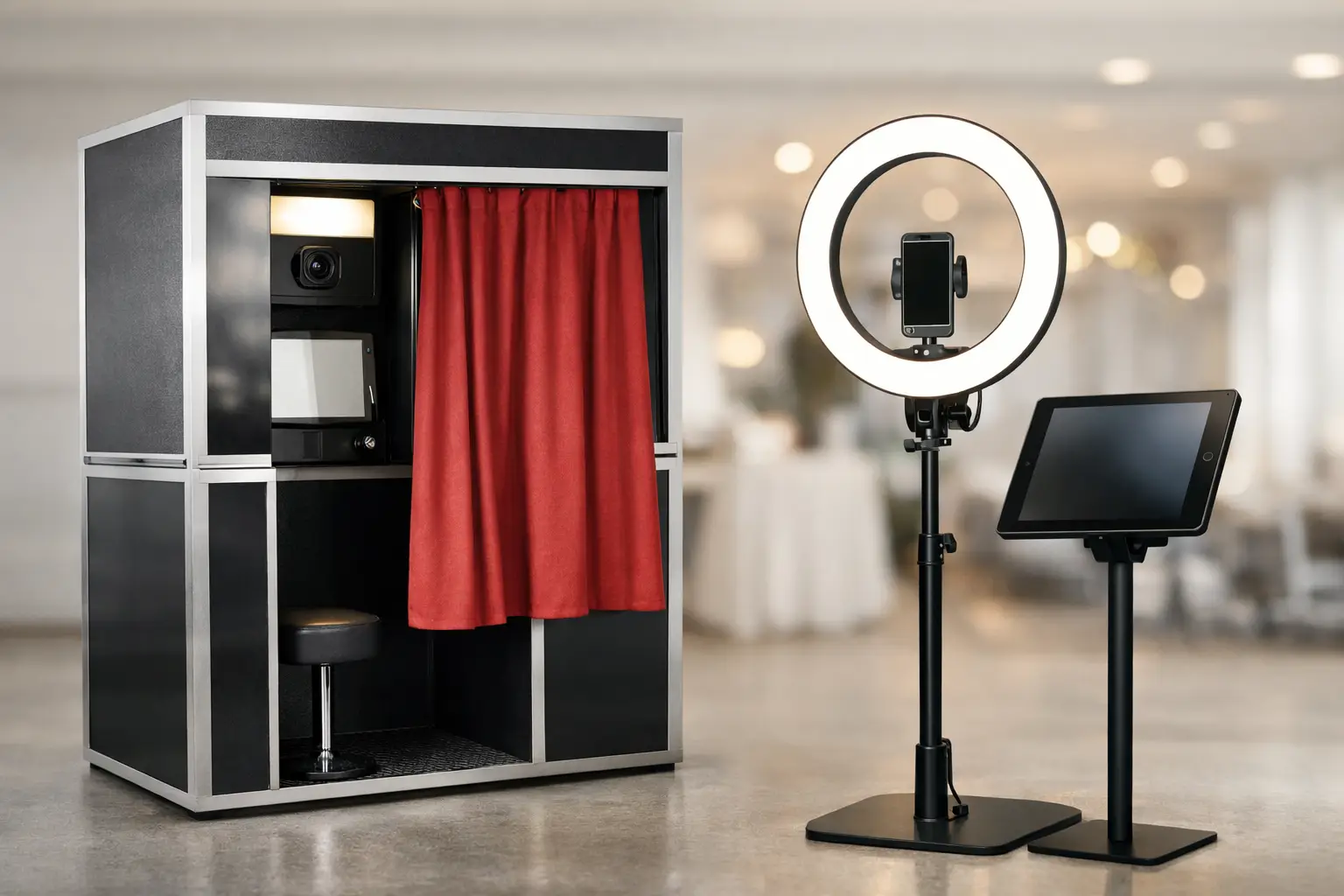
A photo booth is usually a dedicated enclosed or semi-enclosed unit with a camera, lighting, touchscreen and printer. Guests step inside, choose a pose, use props and receive a printed photo strip or postcard-style print within moments. It is an activity in its own right, and it gives guests a little space away from the dance floor to be silly, affectionate or creative.

A selfie station is generally more compact and open. It uses a quality camera or tablet-style screen with professional lighting, allowing guests to take photos, GIFs or short videos. Images are commonly sent straight to a mobile phone by text, email or QR code, making it a strong option for guests who want to share their pictures quickly.

The distinction matters because a booth feels like an entertainment feature, while a selfie station often feels like a modern social photo point. At a busy event, both can attract a queue. The atmosphere of that queue, and what guests receive afterwards, can be quite different.

When a Traditional Photo Booth Is the Better Choice

A photo booth is particularly effective when you want a clear focal point that works for every age group. Grandparents often enjoy holding a printed strip as much as younger guests enjoy posing with oversized glasses, feather boas or themed props. It requires little explanation: step in, press the screen and enjoy the result.

Prints are a major advantage. They become a physical reminder of the occasion and are easy for guests to place in a card, guest book or handbag. At a wedding, duplicate prints can allow one copy to go home with the guest while another is added to a memory book with a written message for the couple. This creates something personal that digital galleries do not always replace.

The enclosed style can also help guests let their guard down. People who would never pose in the middle of a room are often happy to pull a face once the curtain closes. That makes a booth ideal for wedding receptions, milestone birthdays and Christmas parties where the aim is to encourage interaction beyond the usual groups.

There are practical points to consider. A full photo booth needs sufficient floor space, access for delivery and a suitable location near power. It should not block a fire exit, service route or access to the bar. If your venue is compact, has steps, or has a particularly tight function room, an open-style alternative may be more sensible. It is always worth checking room dimensions before booking rather than trying to squeeze a large booth into an unsuitable corner.

Why a Selfie Station Suits Some Events Better

A selfie station works well where speed, flexibility and digital sharing are priorities. Because it has a smaller footprint, it can fit comfortably into venues where a full booth would dominate the room. It is also a useful choice for corporate events, product launches, networking evenings and celebrations with limited setup time.

The open design makes it easier for larger groups to gather around the screen. Colleagues can take a team photo without trying to fit into a booth, and guests can see the fun happening as they pass. This visibility can be valuable at a corporate function, where branded templates, digital overlays or event messages can keep the photo experience aligned with the occasion.

Digital delivery is another reason to choose a selfie station. Guests receive their images quickly, often while they are still at the event, rather than waiting to scan or photograph a print. For a younger crowd or a social-media-led party, that immediate access can be a genuine benefit.

However, not every guest wants to enter a mobile phone number, email address or use a QR code. A selfie station can feel less familiar to guests who prefer a simple printed photo. It also relies more on guests being comfortable with a touchscreen and digital sharing. For a family celebration with a wide age range, consider whether a print option would add more value.

Think About the Room Before the Features

The best-looking photo experience can become a poor choice if it disrupts the layout of the event. Start with the practical details: where will guests enter the room, where is the DJ or dance floor positioned, and where will people naturally gather? A photo booth works best where it is visible but not directly in the path of waiting staff, food service or guests heading to the toilets.

A selfie station is often easier to place alongside an LED backdrop, balloon display or venue feature wall. This can create a polished photo area without making the room feel crowded. It is particularly useful when your priority is to leave plenty of room for dining tables, a dance floor and evening entertainment.

For wedding venues across Birmingham and the Midlands, access is equally important. Some function rooms are on upper floors, some have narrow entrances, and some have strict supplier access times. Discussing setup requirements in advance prevents last-minute changes and gives your supplier time to plan the right equipment for the space.

Prints, Digital Images and Guest Experience

Ask yourself what you want guests to do with their photos. If you imagine people walking away with a keepsake, comparing strips at their tables and filling a guest book, a photo booth is likely the stronger fit. Printed photos give the experience a sense of occasion and work beautifully with wedding themes, party colours and personalised templates.

If you want the images to travel beyond the venue quickly, a selfie station has the advantage. Digital images can help create a buzz during a corporate event or give party guests content they can keep and share immediately. The open format can also make it easier to capture group shots, especially when several people want to join in.

There is a middle ground. Many modern photo setups offer both printed and digital options, so it is worth asking exactly what is included in the hire. Check whether the package includes a backdrop, props, an attendant, unlimited sessions, a guest book, branded templates and a post-event gallery. Comparing the headline price alone can be misleading if one package includes much more on the night.

Match the Choice to Your Type of Event

For a wedding, the decision often comes down to the atmosphere you want after the meal. A traditional photo booth is excellent for bringing evening guests together and creating a guest book full of genuine, funny moments. A selfie station can be the better answer for a stylish, open-plan venue where an enclosed booth does not match the look of the room.

For birthday parties and anniversaries, consider the guest mix. A booth with props and prints is usually a reliable crowd-pleaser for mixed ages. For an 18th, 21st or party with a highly digital audience, a selfie station may feel more natural and can keep the photos moving throughout the evening.

For corporate functions, branding and floor space are usually the deciding factors. A selfie station can provide quick branded content without taking over the venue. A photo booth may be the stronger choice for staff parties, award evenings and larger celebrations where entertainment matters just as much as brand visibility.

Do Not Treat It as a Separate Booking Decision

Your photo setup needs to work alongside the rest of the event plan. Consider its position in relation to your DJ, dance floor, uplighting, LED letters and décor. If everything is booked through separate suppliers, coordinating delivery times, power requirements and room layouts can become unnecessarily complicated.

Mobile Disco Hire Birmingham can combine photo booth hire with DJs, LED dance floors, illuminated letters, backdrops and venue styling, helping you create one coordinated setup rather than chasing several suppliers. With more than 20 years of event experience, PAT-tested equipment and £5 million public liability insurance, the focus is on providing a professional, venue-ready service that fits the room and the schedule.

If you are unsure which option suits your venue, bring along a floor plan, a few room photographs and your expected guest numbers when discussing your hire. You can also arrange an appointment to visit the event and entertainment showroom, see the available options and make a decision based on the look you want as well as the practical space you have.

Wedding Music Trends for a Brilliant 2026 Party

By

Wedding Music Trends for a Brilliant 2026 Party

The moment the evening buffet closes is still the real test of a wedding playlist. If guests of different ages are singing along, the dance floor is busy and the newlyweds are not worrying about the next song, the entertainment is doing its job. The strongest wedding music trends for 2026 are not about following a rigid list of new releases. They are about creating a celebration that feels personal, energetic and well paced from the ceremony through to the final dance.

For couples across Birmingham and the Midlands, that often means combining the songs they genuinely love with proven floor-fillers their guests know. A good wedding DJ reads the room, handles requests sensibly and builds the night around the people actually there – not a playlist that only looked good on paper.

Wedding music trends that feel personal

The move away from a single music genre is continuing. Couples are choosing a wider mix: acoustic versions for the ceremony, soul and Motown during the wedding breakfast, party classics after the first dance, then a late burst of garage, R&B, indie, dance or Afrobeat for the guests who want to stay up.

This works particularly well for weddings where families and friendship groups have very different musical tastes. The key is not trying to play every genre equally. Think about where each sound fits. Background music should support conversation, while the evening set needs familiar choruses, recognisable openings and enough momentum to keep people dancing.

Personal choices are becoming more specific too. Rather than simply giving the DJ a huge playlist, couples are providing a short list of must-play songs, a clear do-not-play list and a few musical clues about their crowd. For example, “80s singalongs early, 90s dance later” gives a DJ far more useful direction than 100 tracks in no particular order.

There is a trade-off. A playlist made entirely of personal favourites can miss the songs that bring the whole room together. Equally, an evening built only on predictable hits can feel like any other party. The best approach leaves room for both: your defining songs, plus professional judgement when the dance floor responds to something unexpected.

Shorter mixes, bigger moments

Guests are increasingly used to music changing quickly, and wedding dance floors often respond well to tighter mixing. This does not mean every song should be cut after 30 seconds. A big anthem deserves time for the chorus, the hands-in-the-air moment and a proper singalong. But moving on before energy drops can keep the evening feeling fresh.

Expect more mini-sets that build a mood: disco into funk, noughties pop into R&B, or dance classics into current club-inspired tracks. A skilled DJ can use these changes to bring different groups onto the floor without making the night feel disjointed.

Live touches without a full live band

A live band remains a fantastic option for many weddings, but it is not the only way to add a live feel. One of the most practical wedding music trends is combining a DJ with a live element, such as a singer for the ceremony, a saxophonist during a dance set or an acoustic musician for drinks reception music.

This can create a standout moment without asking one act to cover every part of a long wedding day. It also gives more musical flexibility after the evening starts. A DJ can adapt to requests, change the pace quickly and continue for longer than many live performances.

The practical details matter. Check whether the venue has sound restrictions, a noise limiter or a set finish time. Ask how the live performer and DJ will share equipment, who provides microphones, and whether there is enough space for both. A plan that sounds great can become awkward if it is arranged too late for the venue layout.

Ceremony and daytime music deserve more attention

The music before the party is no longer an afterthought. Couples are choosing entrance songs that immediately set the tone, whether that is elegant strings, a stripped-back modern track or something joyful that gets a reaction from the room. Signing-register music and the exit song are also being used to give the ceremony a more considered flow.

For the drinks reception and meal, the current preference is for atmosphere rather than silence. Soul, jazz, acoustic covers, laid-back house and familiar classics at a sensible volume all work well. The right level is important: guests should be able to speak comfortably across the table without competing with the speakers.

If speeches are planned, make sure the entertainment supplier knows the running order. Professional sound equipment and a suitable microphone can make a major difference, especially in larger suites or venues with high ceilings. Music cues for entrances, awards, surprise performances or the cake cut should be agreed in advance so they land cleanly rather than feeling improvised.

The first dance is becoming less formal

A traditional slow first dance still has its place, but couples are more willing to make it their own. Some choose a shortened version of a meaningful song before inviting guests onto the floor. Others start with a slow track and switch into an upbeat favourite, or choose a song that is simply fun rather than conventionally romantic.

There is no right answer here. A choreographed routine can be brilliant if you enjoy rehearsing and want a showpiece moment. It can also add pressure during an already busy day. A relaxed first dance, supported by a song you both connect with, is often more memorable because it feels natural.

Think about the transition afterwards. If the aim is to fill the dance floor, tell the DJ whether you want guests called up straight away or whether you would prefer a few moments together first. That small decision shapes the start of the evening.

Requests are welcome, but boundaries help

Guest requests remain part of a lively wedding, particularly later in the night. They can bring a group of friends together or uncover a song that means something to the couple. However, unrestricted requests can pull the music in too many directions and interrupt a carefully built set.

A sensible middle ground is to let guests request songs while giving the DJ permission to judge the timing. Not every request suits the room at that exact moment, and some will work better later. A concise do-not-play list is equally useful, especially where a song has an awkward personal association or simply does not match the atmosphere you want.

Avoid making the list overly restrictive. If every song choice must be approved in advance, it becomes harder for the DJ to respond to the crowd. Your DJ should be guided by your preferences, but trusted to use experience when the evening is in full flow.

Make the sound and styling work together

Music creates energy, but lighting is what makes a dance floor look and feel like an evening celebration. Uplighting can add colour around the room, an LED dance floor can define the party area, and illuminated love letters create a strong focal point for photographs. These details are particularly effective when a venue has a neutral function suite that needs more personality after daylight fades.

Coordination is more valuable than it sounds. Booking entertainment and styling through one experienced supplier can reduce delivery clashes, duplicated setup times and last-minute questions over power, access or layout. At Mobile Disco Hire Birmingham, couples can combine DJ entertainment with lighting, dance floors, photo booths and wedding décor, while dealing with one coordinated team.

Whatever package you choose, ask about setup time, venue requirements and insurance. PAT-tested equipment and public liability cover are practical checks that help venues approve suppliers and give couples confidence that the evening is properly prepared.

Choose the trends that suit your guests

The most successful weddings do not try to copy every trend. A daytime acoustic singer may be perfect for an intimate country-house celebration, while a city-centre venue with a large evening crowd may benefit more from a DJ-led party, statement lighting and a photo booth. Guest numbers, age mix, venue restrictions and your own personalities should guide the decision.

Start with the moments you want people to remember: the ceremony entrance, the first dance, the songs that will get your closest friends together, and the final track that sends everyone home smiling. Build the rest around those moments, give your entertainment team clear direction, and leave enough room for the party to develop naturally.

How to Dress Corporate Venues for Any Event

By

How to Dress Corporate Venues for Any Event

A corporate venue can look very different once the tables are laid, the lighting is set and the branded details are in place. Knowing how to dress corporate venues is not about filling every empty corner with décor. It is about creating a professional setting that supports the purpose of the event, whether that is a staff awards night, conference, product launch, Christmas party or client reception.

The best results come from starting with the room itself. A hotel suite, conference centre, warehouse space and office atrium all have different practical limits, sightlines and strengths. Good venue styling should make the space feel intentional while keeping guests comfortable, keeping key areas clear and meeting the venue’s requirements.

Start with the event objective

Before choosing colours, centrepieces or lighting, establish what the event needs to achieve. A formal awards evening calls for a different atmosphere to a daytime training session or a relaxed company celebration. The décor should help guests understand the tone as soon as they enter the room.

For a conference or presentation, clarity is usually the priority. Keep the stage, screen and speaker area clean, visible and well lit. Use understated uplighting in brand colours, neat chair covers if suitable, and simple table styling that does not obstruct notebooks, laptops or catering.

For an awards dinner, gala or Christmas party, you can be more dramatic. LED dance floors, illuminated letters, feature backdrops, table décor and colour-changing uplighters can turn a standard function suite into an event space with a genuine evening feel. The key is to concentrate the impact in the places guests will photograph and remember: the entrance, stage, dance floor and photo area.

Visit the venue before finalising the design

A site visit prevents many avoidable problems. Photographs from a venue brochure rarely show plug socket locations, ceiling height, restricted access, existing lighting or the distance between the entrance and main room. They also do not reveal whether a room feels dark, echoey or much smaller once tables are in place.

Walk through the guest journey from arrival to departure. Consider where guests will register, leave coats, collect drinks, sit down, watch presentations and dance. This will show you where styling has the most value and where it may simply get in the way.

Ask the venue about load-in times, lift access, parking, fire exits, ceiling fixtures, wall fixings and electrical rules. Some venues will not allow candles, tape on painted surfaces or anything attached to walls. Others require suppliers to provide PAT-tested equipment and public liability insurance. These details should be confirmed before products are booked, not on the morning of the event.

Build a clear visual scheme

Corporate styling works best when there is one consistent idea rather than several competing ones. Start with two or three colours, then decide where each will appear. Brand colours can be effective, but using too much of a bright corporate shade can make a room feel harsh. Often, a neutral base of black, white, ivory, silver or gold works well, with the company colours added through lighting, balloons, signage or table details.

Uplighting is one of the most efficient ways to transform a corporate room. It adds colour around the perimeter, highlights architectural features and makes a plain space feel more considered without taking up valuable floor space. For speeches and dining, use a warm, controlled setting. Later, colours can be changed to suit the entertainment and encourage guests onto the dance floor.

A backdrop can provide a strong focal point behind a stage, top table, awards area or photo opportunity. Choose a clean LED backdrop for evening glamour, or a branded display for a launch or networking event. If logos are used, make sure they are readable from a distance and do not compete with the presenter or award winner in photographs.

Dress the key zones, not every inch

Trying to decorate the entire room can waste budget and make a corporate event look crowded. Focus attention on the zones that shape the guest experience.

The entrance sets expectations. A welcome sign, branded balloon display, illuminated letters or carefully placed uplighters can make guests feel they have arrived somewhere special before they reach the main room. Keep the route clear for arrivals, wheelchair users and staff carrying trays.

The stage or presentation area needs a professional finish because it will be seen throughout the event and feature in photographs. Consider a smart backdrop, controlled lighting and a tidy cable plan. Avoid placing tall props where they block sightlines from tables or interfere with screens.

The dining area benefits from consistency. Chair covers and sashes can quickly make mixed venue furniture look coordinated, while simple centrepieces create a polished finish without stopping conversation across the table. If a meal is being served, leave enough space for crockery, menus and service staff. Tall arrangements may look impressive but can be impractical in a room where people need to network.

The entertainment area should feel distinct from the formal part of the room. A professional DJ setup, dance floor and lighting design give guests a clear invitation to stay after dinner. This is especially valuable for company parties, where the transition from speeches to celebration needs to feel natural rather than awkward.

Match lighting to the running order

Lighting should not be treated as a last-minute decorative extra. It affects how guests feel, how photographs look and whether people can comfortably eat, talk and move around.

During registration and networking, aim for a welcoming level of light. Guests need to see name badges, find colleagues and approach the bar without feeling as though they have entered a nightclub. For presentations, dim the room enough for screens to be visible while keeping speakers properly lit. A presenter standing in shadow immediately makes an event look less professional.

For dinner, warm lighting is usually more flattering and relaxed. Once formal proceedings are over, a DJ can move into a livelier lighting programme for the party. This change in atmosphere is simple but effective: the same venue can shift from corporate dinner to proper celebration without guests needing to move rooms.

Keep branding confident but restrained

A corporate event should reflect the business, but guests do not need to see the logo on every available surface. Strong branding is placed where it earns attention: the welcome point, presentation stage, photo backdrop, screens and selected printed materials.

If the event is client-facing, consider the impression each element gives. Worn chair covers, mismatched table décor, exposed extension leads and poor sound quality can undermine an otherwise well-planned occasion. In contrast, clean styling, reliable entertainment equipment and a properly managed setup quietly show that the business values detail.

For internal events, there may be more room for personality. A themed photo booth, fun illuminated props or a sweet cart can encourage staff interaction, particularly at awards nights and Christmas parties. The best choice depends on company culture. A legal firm entertaining clients may prefer an elegant photo backdrop, while a larger team celebration can carry a more playful setup.

Plan around safety, access and venue operations

Practical planning is what separates attractive décor from venue-ready décor. Every item needs a place that does not create a trip hazard, block a fire exit or prevent catering staff from doing their job. Cables should be secured and kept away from guest routes. Heavy items must be stable, and dance floor edges should be fitted correctly.

Allow enough setup time. Corporate venues often have tight turnaround periods, especially when a daytime meeting changes into an evening event. A supplier handling entertainment, lighting and styling together can coordinate the order of installation, reducing clashes between separate teams and making the final setup neater.

It is also worth checking sound limits. Some city-centre hotels and multi-use venues have strict restrictions, particularly on bass levels or finish times. An experienced DJ will work within those requirements while still creating the right atmosphere for guests.

Make the budget work harder

If the budget is limited, spend on elements with the highest visible impact. Uplighting, a smart focal backdrop, coordinated chair styling and a well-presented dance floor generally change the feel of a room more than lots of small decorative items.

Avoid paying for décor that will be hidden once the room fills with guests. Instead, invest in the areas that appear in photographs and remain visible all evening. If the event includes entertainment, plan the décor and DJ setup together so lighting, staging and the dance floor look like one organised production rather than separate additions.

For organisers across Birmingham and the Midlands, Mobile Disco Hire Birmingham can provide entertainment and venue styling from one experienced team, including DJs, uplighting, LED dance floors, backdrops, chair covers, balloons and photo booths. Equipment is professionally prepared, PAT tested and supported by £5 million public liability insurance, helping organisers meet common venue requirements with confidence.

A well-dressed corporate venue does not need to be overdone. Choose a clear purpose, focus on the guest journey and use lighting and décor where they will make the biggest difference. When the room looks professional, works practically and changes pace at the right moments, guests can focus on the people, message and celebration that brought them there.

1 2 3 4 5 6 … 21
Corporate Event Entertainers for Better Events
Event Styling That Makes Every Detail Work
How to Hire Photo Booths for a Brilliant Event
How to Hire Compliant DJs for Your Event
Corporate DJ Guide for Successful Midlands Events
Birmingham DJs Comparison: 7 Booking Checks
Coventry Venue Décor Guide for Better Events
Photo Booth Versus Selfie Station - Which Fits?
Photo Booth Versus Selfie Station – Which Fits?
Wedding Music Trends for a Brilliant 2026 Party
How to Dress Corporate Venues for Any Event